

In today’s digital world, mobile phones have become an essential part of our lives. But what happens if you find a mobile number and want to know its owner? The answer lies in a Sim Database.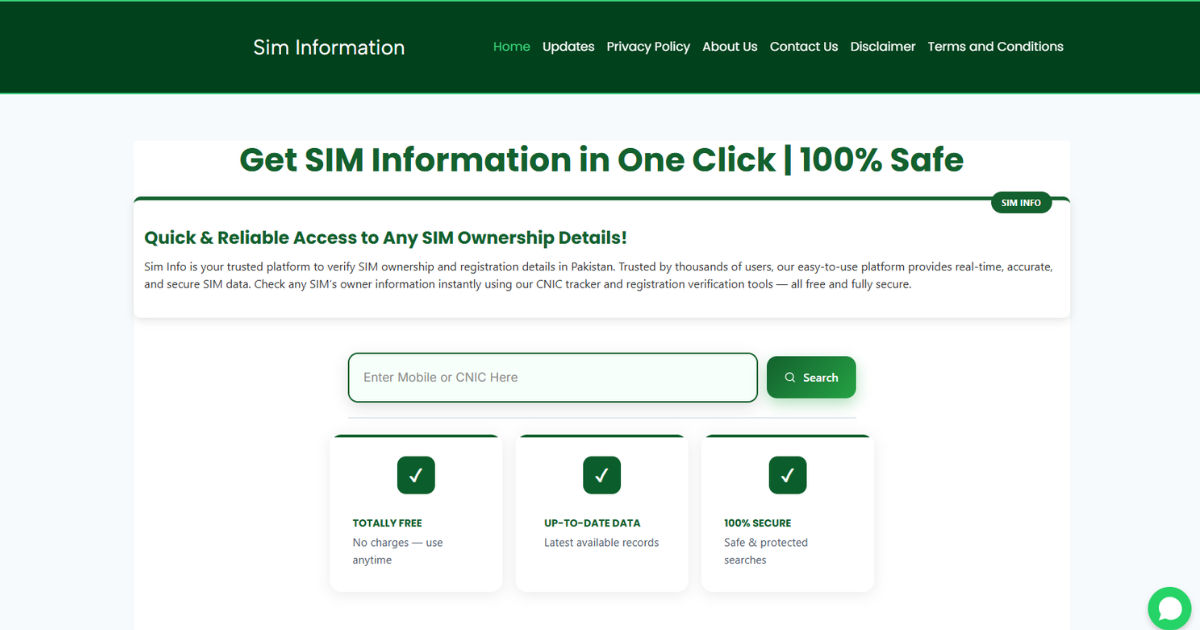
A Sim Database is a central repository that stores information about SIM cards, including details about the mobile number, subscriber, and more. Knowing how to use a Sim Database can help individuals, businesses, and authorities identify mobile owners efficiently and accurately.
This guide will explain everything you need to know about finding a mobile owner using a Sim Database, including legal considerations, step-by-step methods, tools, and safety tips. By the end, you will understand how to access SIM-related information responsibly.
What is a Sim Database?
A Sim Database is an organized collection of information related to SIM cards issued by telecom operators. Each SIM card contains unique information such as:
-
Mobile number
-
Subscriber name
-
Registration details
-
Network operator
-
Activation date
-
Other personal information provided during SIM registration
Telecom operators maintain a Sim Database to track their subscribers and provide services efficiently. In some countries, regulatory authorities also maintain a centralized Sim Database for security and law enforcement purposes.
Using a Sim Database, you can cross-check a mobile number and retrieve the owner’s information. However, access is usually restricted to authorized personnel to protect privacy.
Why Would You Need to Find a Mobile Owner?
There are many situations where finding a mobile owner is necessary:
-
Lost Phone: If you find a lost phone, knowing the owner can help return it safely.
-
Scams and Fraud: Identifying unknown numbers can help prevent financial scams.
-
Business Purposes: Companies may verify clients or customers through their registered SIM information.
-
Legal Investigations: Authorities often use a Sim Database to track suspects or solve cases.
Understanding how a Sim Database works is crucial for responsible and lawful use.
Legal Considerations
Before attempting to access a Sim Database, you must understand the legal boundaries:
-
In most countries, SIM ownership information is private and protected by law.
-
Accessing a Sim Database without proper authorization can lead to legal consequences, including fines or imprisonment.
-
Telecom operators and government agencies usually provide official ways to verify mobile owners.
-
Always ensure your actions comply with local laws and regulations.
Remember: A Sim Database is meant for authorized use, so misuse can have serious consequences.
Methods to Find Mobile Owner Using a Sim Database
There are several ways to find a mobile owner through a Sim Database, depending on your level of access and the tools available. We’ll cover them below.
1. Contacting Your Mobile Operator
The simplest and legal way to find a mobile owner is through your mobile operator:
-
Visit the Operator’s Customer Service: Most telecom providers allow you to verify numbers through official channels.
-
Provide Details: You may need to provide the mobile number, date, and purpose of inquiry.
-
Receive Verified Information: Authorized operators can give the registered owner’s details.
This method is reliable, legal, and uses the official Sim Database maintained by the operator.
2. Using Government or Regulatory Portals
In some countries, regulatory authorities provide online tools for SIM verification:
-
Enter the mobile number into a government SIM verification portal.
-
The system cross-checks the Sim Database to show basic subscriber information.
-
These portals are mainly used for anti-fraud purposes.
This approach ensures accuracy since it directly interacts with the official Sim Database.
3. Through Mobile Apps
Some mobile apps claim to provide mobile owner information:
-
These apps usually rely on crowdsourced data or reverse phone lookup services.
-
While convenient, they may not always be accurate because they don’t have direct access to the official Sim Database.
-
Use caution and verify the results through official means if possible.
4. Using Telecom Audit Services
Telecom audit or verification companies often have access to bulk SIM records legally:
-
These services are typically for businesses to validate numbers.
-
They can check SIM details against a legal Sim Database.
-
Businesses must register and get proper authorization to access such services.
This method is especially useful for corporate verification purposes.
5. Law Enforcement Access
Authorities like the police or intelligence agencies have direct access to the Sim Database:
-
Investigations related to fraud, crime, or security threats often require mobile owner identification.
-
Law enforcement can retrieve complete subscriber information from the Sim Database, including name, address, and registration details.
This access is strictly regulated and monitored to protect privacy.
Step-by-Step Guide to Using a Sim Database Legally
If you have legitimate access to a Sim Database, here’s a general step-by-step procedure:
-
Log in to the Authorized Portal: Only authorized users with credentials can access the SIM database.
-
Enter Mobile Number: Input the number you want to verify.
-
Select Verification Type: Some databases allow partial verification (e.g., name only) or full verification.
-
Check the Owner Details: Retrieve subscriber information such as name, address, and registration date.
-
Record and Use Responsibly: Always use the information for legal and authorized purposes.
Following these steps ensures you respect privacy laws while utilizing the Sim Database effectively.
Challenges in Finding Mobile Owners
Even with access to a Sim Database, some challenges may arise:
-
Privacy Restrictions: Not all information is visible due to privacy protection laws.
-
Fake or Duplicate SIMs: Some users may register SIM cards under false names.
-
Outdated Records: The database might not reflect recent changes in ownership.
-
Limited Access: Only authorized personnel can access complete information.
Understanding these limitations is important to avoid frustration or misuse.
Tips for Safely Using Sim Database Information
To use a Sim Database responsibly, follow these tips:
-
Always Verify Legitimacy: Ensure you have legal authorization to access the database.
-
Avoid Sharing Personal Data: Never disclose owner information to unauthorized persons.
-
Double-Check Data: Cross-check the details with multiple sources if possible.
-
Use Secure Channels: Access the database only through secure, official portals.
These practices help maintain trust and legality while using a Sim Database.
Alternatives to Direct Sim Database Access
If you cannot access the official Sim Database, there are other ways to find a mobile owner:
-
Reverse Phone Lookup Services: These online tools use public records to identify numbers.
-
Social Media Search: Some users link their phone numbers to social accounts.
-
Messaging Apps: Platforms like WhatsApp or Telegram sometimes display the registered name.
While these methods may not be 100% reliable, they can provide useful clues without violating laws.
Common Myths About Sim Database Lookup
There are several misconceptions about Sim Database lookups:
-
“Anyone can access it online” – Only authorized users can access the official database.
-
“It reveals full personal details instantly” – Privacy laws restrict the amount of information visible.
-
“Apps are always accurate” – Many apps rely on crowdsourced or outdated data, not the official database.
Understanding these myths helps set realistic expectations about using a Sim Database.
Importance of Sim Database in Modern Telecom
The Sim Database is crucial for multiple reasons:
-
Security: Helps track suspicious activity and prevent fraud.
-
Customer Service: Assists operators in managing subscriber accounts.
-
Regulatory Compliance: Ensures telecom providers follow local laws.
-
Business Verification: Enables companies to verify customers legally.
In short, a Sim Database is a backbone of responsible telecom operations.
Conclusion
Finding a mobile owner through a Sim Database can be highly effective if done legally and responsibly. Whether it’s for personal, business, or law enforcement purposes, understanding the legal framework and the proper methods is essential.
Key takeaways:
-
A Sim Database is a secure, structured system that stores subscriber information.
-
Legal access is mandatory to avoid privacy violations.
-
Multiple methods exist, including contacting telecom operators, using government portals, or authorized verification services.
-
Always use Sim Database information responsibly and avoid unauthorized sharing.
-
While alternative methods exist, they should complement—not replace—official database access.
By respecting privacy and following legal guidelines, a Sim Database can serve as a reliable tool for identifying mobile owners, preventing fraud, and ensuring accountability in mobile communication.

Recent Comments