

Hair loss is a common concern for both men and women. Many people struggle with thinning hair, receding hairlines, or patchy bald spots. If you are looking for solutions, consulting the Best Dermatologist in Karachi can be a life-changing decision.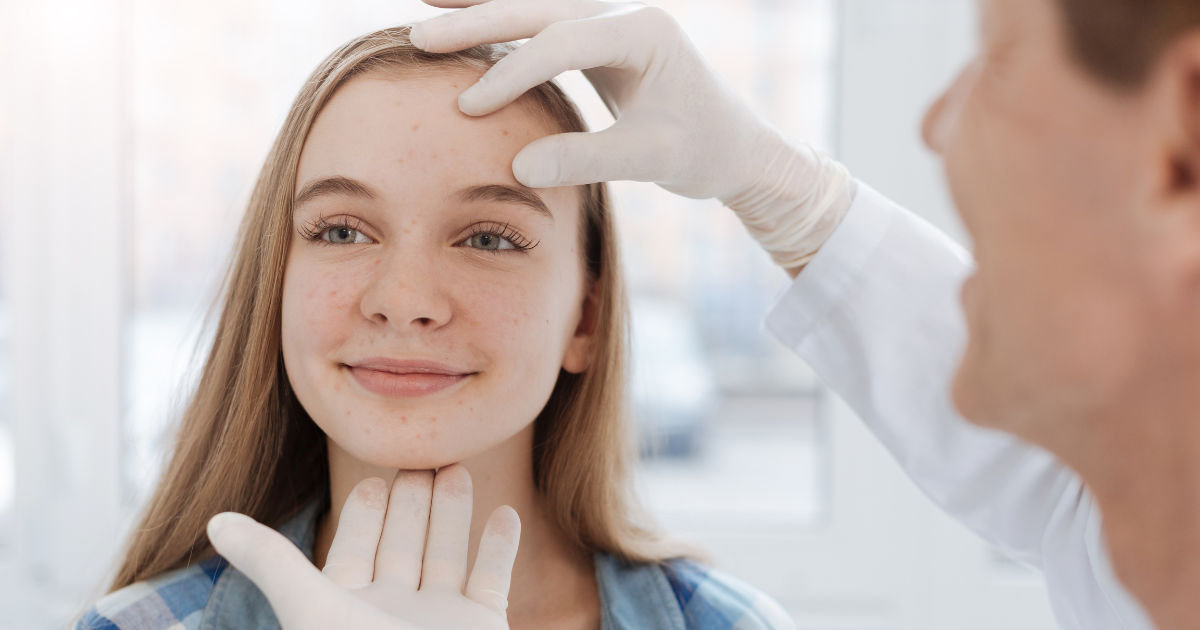
Dermatologists not only treat the scalp and skin but also provide specialized hair regrowth plans tailored to individual needs. Understanding how a dermatologist hair regrowth plan works can help you achieve healthier and fuller hair.
Hair loss can occur due to genetics, hormonal imbalances, stress, poor nutrition, or medical conditions. While over-the-counter products may help temporarily, a dermatologist provides a professional and comprehensive approach.
Their goal is to identify the underlying cause of hair loss and design a treatment plan that works over the long term.
Understanding Hair Loss
Before starting a hair regrowth plan, it’s crucial to understand the type of hair loss you are experiencing. Dermatologists classify hair loss into several types:
-
Androgenetic Alopecia: This is the most common type, often called male or female pattern baldness. It is genetic and develops gradually over time.
-
Telogen Effluvium: Hair shedding due to stress, illness, or hormonal changes. Usually temporary but requires proper treatment to recover.
-
Alopecia Areata: An autoimmune condition where the body attacks hair follicles, leading to patchy bald spots.
-
Scarring Alopecia: Hair loss due to damage or scarring of the hair follicles from injuries or certain skin conditions.
A dermatologist evaluates your hair and scalp to determine the type of hair loss, which is the first step in creating an effective regrowth plan.
Initial Consultation with a Dermatologist
When you visit the Best Dermatologist in Karachi, the first step is a detailed consultation. During this session, the dermatologist will:
-
Examine your scalp and hair health.
-
Review your medical history, including medications, stress levels, and nutrition.
-
Identify possible triggers of hair loss.
-
Discuss your expectations and hair regrowth goals.
This initial consultation is crucial. Hair regrowth plans are not “one-size-fits-all.” Each patient requires a customized approach based on the cause and severity of hair loss.
Diagnostic Tests for Hair Loss
After the consultation, the dermatologist may recommend several tests to confirm the diagnosis. These may include:
-
Blood Tests: To check for hormonal imbalances, thyroid issues, vitamin deficiencies, or anemia.
-
Scalp Biopsy: A small sample of the scalp may be taken to identify the type of hair loss and assess follicle health.
-
Hair Pull Test: Determines the strength of hair and the rate of shedding.
-
Trichoscopy: A non-invasive method to examine the scalp using a specialized camera.
These tests provide the dermatologist with a clear understanding of your hair condition. The information helps create a precise hair regrowth plan.
Components of a Dermatologist Hair Regrowth Plan
A professional hair regrowth plan is multi-faceted. It combines medical treatments, lifestyle adjustments, and sometimes procedural interventions. Here’s how a dermatologist structures a hair regrowth plan:
Medical Treatments
Dermatologists use FDA-approved medications to stimulate hair growth:
-
Minoxidil: A topical solution that increases blood flow to hair follicles, promoting growth.
-
Finasteride: An oral medication that blocks DHT, a hormone responsible for androgenetic alopecia.
-
Spironolactone: For women with hormonal hair loss, this helps reduce androgen levels.
-
Corticosteroids: In cases of alopecia areata, steroids reduce inflammation and encourage regrowth.
Medical treatments are prescribed based on hair loss type, age, gender, and overall health.
Nutritional Support
Nutrition plays a critical role in hair health. A dermatologist may recommend:
-
Vitamins like Biotin, Vitamin D, and Vitamin E.
-
Minerals such as Iron, Zinc, and Selenium.
-
Protein-rich diet to strengthen hair structure.
Supplements are only suggested if deficiencies are detected. Proper nutrition ensures that the hair regrowth plan works efficiently.
Lifestyle Adjustments
Stress and lifestyle habits impact hair loss significantly. Dermatologists advise:
-
Managing stress through yoga, meditation, or therapy.
-
Avoiding harsh hair treatments like excessive heat or chemical dyes.
-
Gentle scalp massage to increase blood circulation.
These adjustments, although simple, enhance the effectiveness of the medical treatments.
Procedural Treatments
In severe cases, procedural interventions may be suggested:
-
Platelet-Rich Plasma (PRP) Therapy: Uses your own blood to extract growth factors and inject into the scalp. It stimulates hair follicles and promotes regrowth.
-
Laser Therapy: Low-level laser therapy (LLLT) improves circulation and follicle health.
-
Hair Transplant: For advanced hair loss, hair transplant surgery relocates healthy follicles to bald areas.
These procedures are performed under medical supervision and are often combined with topical or oral treatments for best results.
Timeline of Hair Regrowth
It’s important to have realistic expectations. Hair regrowth is gradual, and results vary. Typically:
-
First 1–3 Months: Reduction in hair shedding and improvement in scalp health.
-
3–6 Months: Noticeable growth of new hair, especially in thinning areas.
-
6–12 Months: Significant improvement in density and overall hair appearance.
Consistency is key. Stopping treatments early may reverse progress. Regular follow-ups with the Best Dermatologist in Karachi help track progress and adjust the plan as needed.
Common Misconceptions About Hair Regrowth Plans
Many people expect instant results or rely solely on shampoos and oils. Some common misconceptions include:
-
Hair Growth is Instant: Realistically, it takes months to see substantial improvement.
-
Shampoos Can Cure Baldness: Shampoos alone may improve scalp health but cannot treat genetic hair loss.
-
Hair Loss is Always Permanent: Temporary hair loss due to stress or illness can often be reversed with proper treatment.
A dermatologist clarifies these misconceptions and provides science-based guidance.
Importance of Choosing the Right Dermatologist
Selecting the Best Dermatologist in Karachi is crucial for a successful hair regrowth plan. Factors to consider:
-
Experience in treating hair loss.
-
Availability of advanced diagnostic tools.
-
Reputation and patient reviews.
-
Customized treatment plans rather than generic solutions.
A skilled dermatologist ensures that you receive safe, effective, and personalized care.
Preventive Measures for Hair Loss
Even after achieving hair regrowth, preventive measures are necessary:
-
Regular scalp care and cleansing.
-
Balanced diet and proper hydration.
-
Minimizing stress and adopting a healthy lifestyle.
-
Avoiding tight hairstyles or harsh chemical treatments.
These measures help maintain hair density and prevent future thinning.
Emotional Impact and Support
Hair loss can affect confidence and emotional well-being. Dermatologists often provide guidance on managing the psychological effects. Counseling, support groups, or simply discussing concerns during follow-ups can be very helpful.
Success Stories and Patient Experiences
Many patients report life-changing results after following a dermatologist hair regrowth plan. With consistent treatment and lifestyle modifications, thinning hair can be restored, and bald spots minimized. Patients often highlight the expertise of the Best Dermatologist in Karachi as a major factor in their success.
Key Takeaways
A dermatologist hair regrowth plan is not just about applying products. It’s a comprehensive approach involving:
-
Accurate diagnosis through consultation and tests.
-
Medical treatments tailored to hair loss type.
-
Nutritional guidance and supplements.
-
Lifestyle changes to support scalp health.
-
Advanced procedures like PRP, laser therapy, or hair transplant when necessary.
-
Regular follow-ups to monitor progress.
Understanding these steps ensures patients have realistic expectations and achieve lasting results.
Conclusion
Hair loss can be distressing, but it is manageable with the right approach. Consulting the Best Dermatologist in Karachi allows you to receive a customized hair regrowth plan designed for your unique needs. From precise diagnosis to medical treatments, nutritional guidance, lifestyle adjustments, and procedural options, every step is scientifically driven. With patience, consistency, and professional guidance, hair regrowth is achievable, and confidence can be restored.
Choosing a dermatologist wisely ensures safe, effective, and lasting results. Whether your hair loss is temporary or genetic, a comprehensive dermatologist plan addresses the root cause and supports long-term hair health. Don’t wait for hair loss to worsen—seek expert care today and take control of your hair health journey.

Recent Comments