

In today’s digital world, we constantly deal with different types of files, images, and text. Often, you may find yourself needing information that is only available in image format, such as scanned documents, screenshots, or pictures of notes. This is where a JPG to Text tool becomes essential.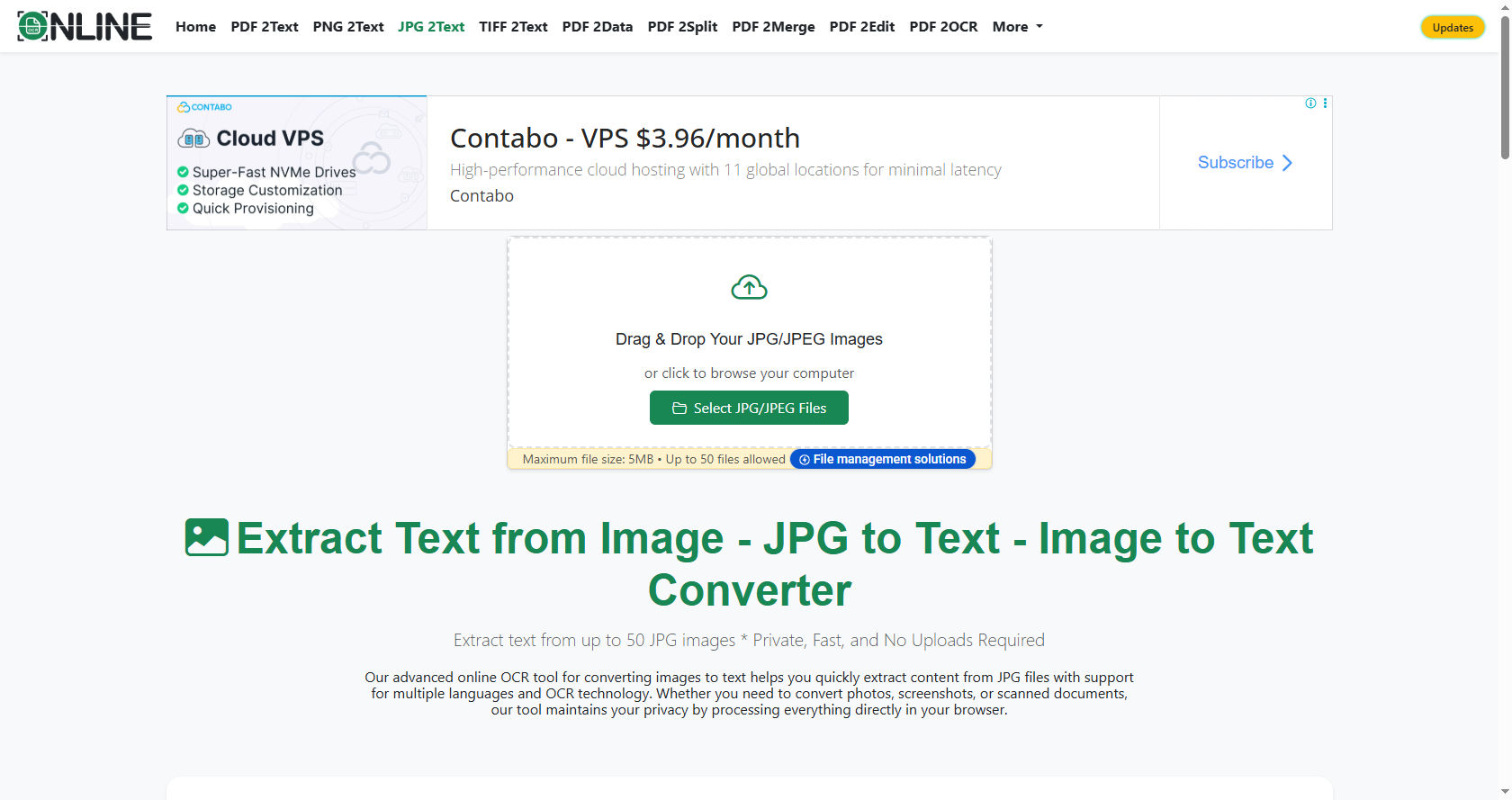
The ability to extract text from images without retyping saves a huge amount of time and effort. But why exactly do we need a JPG to Text copy paste tool? Let’s explore this in detail.
A JPG to Text tool allows you to convert an image, specifically in JPG format, into editable text. This is incredibly useful for students, professionals, writers, and anyone who needs to quickly transform visual content into text format.
Imagine you have a photo of a page from a book or a whiteboard during a lecture. Typing everything manually would take hours. With a JPG to Text tool, you can copy and paste the content immediately.
What is JPG to Text Technology?
A JPG to Text tool uses a technology called Optical Character Recognition (OCR). OCR technology scans the image and identifies the characters present in it. It then converts these characters into editable text. This technology has evolved over the years to become more accurate, even with handwritten notes or poor-quality images.
The JPG to Text process is simple. You upload your image, the tool scans it, and then it provides a text output that you can copy, edit, or save. Many modern tools also support multiple languages and can recognize complex layouts, tables, and even mathematical symbols.
Advantages of Using a JPG to Text Copy Paste Tool
Using a JPG to Text tool has several advantages that make it a must-have for anyone working with digital content.
-
Time-Saving – Instead of typing text manually from images, the tool instantly converts images to text.
-
Accuracy – Advanced JPG to Text tools use intelligent OCR algorithms that provide highly accurate results, even for blurred or handwritten images.
-
Easy to Use – Most tools are user-friendly and require no technical knowledge. You simply upload the JPG and get the text output.
-
Multi-Purpose – Students, teachers, and professionals can all benefit from a JPG to Text tool. It can be used for study notes, research papers, or business documents.
-
Accessibility – Extracting text from images makes content searchable and editable. It also helps users with visual impairments access information through screen readers.
Who Can Benefit from JPG to Text Tools?
A JPG to Text tool is not limited to a specific group of users. Its utility spans across various domains.
Students
Students often take pictures of whiteboards, textbooks, or class notes. Manually typing all this information is tedious. Using a JPG to Text tool, students can quickly convert images into editable notes, making revision and study easier.
Professionals
In business, documents may be shared as scanned images or screenshots. Professionals can extract critical information from contracts, invoices, or reports using a JPG to Text copy paste tool.
Writers and Bloggers
Writers often research content from multiple sources. A JPG to Text tool allows them to convert reference images into text without retyping, saving hours of work.
Researchers
Researchers dealing with historical documents or scanned papers can quickly convert images into editable text using this tool. It streamlines the data collection process and makes research more efficient.
How JPG to Text Works
Understanding how a JPG to Text tool works can help users get better results. The process involves several key steps:
-
Image Upload – You select the JPG image that contains the text you want to extract.
-
Image Processing – The tool analyzes the image for text regions. It may also enhance the image to improve text recognition.
-
Character Recognition – Using OCR, the tool identifies letters, numbers, and symbols in the image.
-
Text Conversion – The recognized characters are converted into editable text.
-
Copy Paste Ready – The final output is a text file or on-screen text that can be copied and pasted anywhere.
Many modern JPG to Text tools also include options to retain the original formatting, such as bold, italics, or tables, making the extracted text even more useful.
Features to Look for in a JPG to Text Tool
When choosing a JPG to Text tool, it’s important to select one that offers accuracy, speed, and user-friendly features. Here are some important features:
Accuracy and Recognition Rate
High-quality OCR is the backbone of a JPG to Text tool. Look for tools that provide high recognition accuracy, even for poor-quality images.
Multi-Language Support
If your images contain multiple languages, choose a JPG to Text tool that supports various languages. This makes it versatile and useful for global users.
Speed
Some tools process images instantly, while others take longer. A faster tool increases productivity and efficiency.
Formatting Retention
Advanced tools can retain formatting such as bullet points, tables, and headings, making the extracted text ready for reports or publications.
Privacy and Security
Since some images may contain sensitive information, choose a JPG to Text tool that guarantees data privacy and does not store your images unnecessarily.
Common Use Cases of JPG to Text Tools
The applications of a JPG to Text copy paste tool are vast. Let’s look at some real-world examples.
Academic Notes
Students can convert lecture slides or textbook images into editable notes, making it easier to organize and study.
Business Documents
Professionals can extract important data from invoices, contracts, and reports without typing everything manually.
Archiving and Digitalization
Organizations that deal with old paper records can digitize them using a JPG to Text tool, making documents searchable and editable.
Accessibility for the Visually Impaired
Text extracted from images can be read aloud by screen readers, providing access to visually impaired users.
Content Creation
Writers, bloggers, and researchers can quickly convert images into text for articles, reports, or presentations.
Challenges of JPG to Text Conversion
While a JPG to Text tool is extremely useful, there are some challenges that users may face.
Image Quality
Poor-quality or blurry images can reduce OCR accuracy. High-resolution images provide the best results.
Handwriting Recognition
Handwritten text is more difficult to recognize than printed text. Advanced tools with AI-based OCR can handle handwriting better, but perfect accuracy is not guaranteed.
Formatting Issues
Sometimes, complex formatting, like tables or multi-column layouts, may not be perfectly retained. Users may need to make minor adjustments manually.
Language Limitations
Some OCR tools may not support less common languages or special characters, which can limit usability.
Despite these challenges, modern JPG to Text tools are continuously improving and overcoming these limitations.
Tips for Getting the Best Results
To maximize the effectiveness of a JPG to Text tool, consider these tips:
-
Use High-Quality Images – Clear, well-lit images with readable text provide the best results.
-
Avoid Skewed or Rotated Images – Straight images improve OCR accuracy.
-
Choose the Right Tool – Pick a tool with advanced OCR and multi-language support.
-
Review the Output – Always double-check the extracted text for errors or formatting issues.
-
Use Batch Processing – If you have multiple images, use a tool that allows batch processing to save time.
Online vs Offline JPG to Text Tools
JPG to Text tools are available in both online and offline formats, each with its own advantages.
Online Tools
Online JPG to Text tools are convenient as they don’t require installation. They can be accessed from any device with an internet connection. Many are free, though some may have limitations on file size or number of conversions.
Offline Tools
Offline tools are software programs that you install on your computer. They are ideal for large volumes of images, sensitive data, or when internet access is limited. Offline tools often provide better privacy and advanced features compared to online tools.
Popular JPG to Text Tools
Several reliable JPG to Text tools are available today. Some popular options include:
-
Adobe Acrobat OCR – Offers high accuracy and formatting retention.
-
Google Drive OCR – Free and convenient for quick conversions.
-
ABBYY FineReader – Advanced features for business and research needs.
-
Online OCR Websites – Free tools for simple JPG to Text conversions.
Choosing the right tool depends on your needs, frequency of use, and the type of images you deal with.
How JPG to Text Improves Productivity
The main benefit of using a JPG to Text tool is productivity. Instead of spending hours typing out text from images, users can instantly copy and paste content. This allows more time for analyzing information, creating reports, or focusing on creative work.
For businesses, this tool streamlines operations by converting invoices, receipts, and forms into editable data. For students, it means faster note-taking and better organization. Overall, it reduces repetitive tasks and improves efficiency.
Future of JPG to Text Technology
The future of JPG to Text tools is promising. With advancements in AI and machine learning, OCR technology is becoming smarter.
-
Improved recognition of handwriting.
-
Better accuracy with complex layouts and fonts.
-
Real-time conversion from images captured via smartphones.
-
Integration with cloud storage and productivity apps for seamless workflow.
As technology evolves, the process of converting JPG images to text will become faster, more accurate, and even more accessible to everyone.
Conclusion
A JPG to Text copy paste tool is no longer a luxury; it is a necessity in today’s digital world. From students to professionals, writers to researchers, everyone can benefit from this technology. By converting images into editable text quickly and accurately, it saves time, improves productivity, and simplifies the way we handle digital content.
Despite minor challenges such as image quality or handwriting recognition, modern tools equipped with advanced OCR provide reliable solutions. Whether you use an online or offline tool, the ability to extract text from JPG images has transformed how we work, study, and manage information.
If you have never used a JPG to Text tool, now is the perfect time to explore it. It’s simple, fast, and incredibly effective. By incorporating this tool into your workflow, you can turn hours of manual typing into minutes of efficient work.
A JPG to Text tool is more than just a utility—it is a bridge between visual content and editable, usable text. Embracing this technology will undoubtedly enhance your productivity, accessibility, and overall efficiency in handling information.

Recent Comments