

When people think of luxury in fashion, embroidery often comes to mind first. Rich threads, fine craftsmanship, and timeless techniques turn simple fabric into a masterpiece. This is especially true in South Asian fashion, where embroidery defines elegance, tradition, and status.
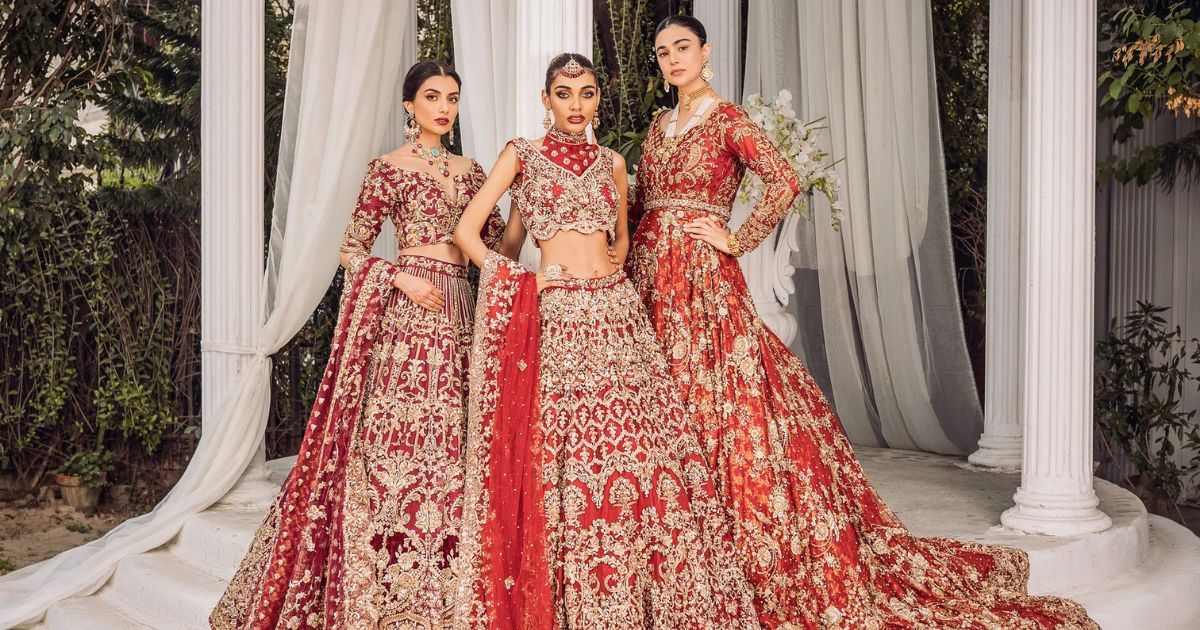
In a pakistani wedding dress, embroidery is not just decoration; it tells a story of heritage, artistry, and celebration. From hand-worked gold threads to delicate bead detailing, the right embroidery can instantly elevate any outfit and give it a truly luxe feel.
This comprehensive guide explores the most luxurious embroidery types, why they look expensive, and how they are used in bridal and formal wear. Whether you are choosing a pakistani wedding dress or simply want to understand high-end embroidery, this guide will help you recognize what truly looks rich and refined.
What Makes Embroidery Look Luxe?
Luxury embroidery is about more than shine. Several elements work together to create a high-end look.
Quality of Materials
Luxe embroidery uses premium threads like silk, zari, resham, and metallic yarns. Beads, pearls, crystals, and stones are often real or high-grade replicas. In a pakistani wedding dress, these materials add depth and richness that cheaper alternatives cannot match.
Handcrafted Skill
Hand embroidery always looks more refined than machine work. Skilled artisans spend hours, sometimes months, completing one outfit. The human touch gives embroidery character and uniqueness.
Balance and Design
Luxury does not mean covering every inch of fabric. Well-designed embroidery leaves breathing space. Strategic placement makes the outfit look elegant rather than heavy.
Cultural Heritage
Many luxe embroidery styles are centuries old. Their historical value adds prestige, especially in bridal wear like a pakistani wedding dress.
Zardozi Embroidery
Zardozi is often considered the king of luxury embroidery.
What Is Zardozi?
Zardozi uses metal threads made of gold or silver, combined with pearls, beads, and stones. Traditionally, real gold and silver were used, making it extremely valuable.
Why It Looks Luxe
The heavy texture and metallic shine instantly signal richness. Zardozi embroidery catches light beautifully, making it ideal for bridal wear.
Use in Pakistani Bridal Fashion
A pakistani wedding dress often features zardozi on borders, necklines, sleeves, and dupattas. Red, maroon, gold, and deep green fabrics pair perfectly with this embroidery.
Resham Embroidery
Resham embroidery is known for its softness and elegance.
What Is Resham Work?
Resham uses fine silk threads to create floral and decorative patterns. The threads have a natural sheen that looks refined.
Why It Looks Expensive
The smooth finish and detailed patterns give resham embroidery a graceful look. It is often used with other techniques for added luxury.
Where It Shines Most
In a pakistani wedding dress, resham is commonly used for delicate motifs, pastel bridal outfits, and formal wear with a softer aesthetic.
Dabka and Kora Work
Dabka and kora embroidery are closely related and often used together.
Understanding Dabka and Kora
Dabka involves coiled metal threads stitched onto fabric, while kora uses flat metal wires. Both add dimension and shine.
Luxury Appeal
The raised texture creates a three-dimensional effect that looks rich and detailed. This embroidery stands out even from a distance.
Bridal Usage
A traditional pakistani wedding dress often uses dabka and kora in lehengas and shararas, especially for formal ceremonies like baraat.
Aari Embroidery
Aari embroidery is detailed, fast, and highly artistic.
What Is Aari Work?
Aari uses a hooked needle to create chain stitches. It allows artisans to produce intricate designs quickly without losing quality.
Why It Feels Luxe
Despite being faster, aari embroidery can be extremely detailed. When done by experts, it looks neat, consistent, and high-end.
Modern Bridal Trends
Many modern pakistani wedding dress designs combine aari work with stones and crystals for a contemporary yet luxurious look.
Gota Work
Gota embroidery is festive and regal.
What Is Gota Embroidery?
Gota uses ribbons of gold or silver lace, stitched onto fabric in patterns. It originated in Rajasthan and became popular in South Asia.
Luxe Factor
The reflective surface of gota adds brightness and grandeur. When used tastefully, it gives a royal appearance.
Perfect Occasions
Gota work is often seen in mehndi and dholki outfits. A colorful pakistani wedding dress with gota embroidery feels celebratory and rich.
Cutwork Embroidery
Cutwork is subtle but sophisticated.
What Is Cutwork?
Cutwork involves cutting parts of the fabric and reinforcing the edges with embroidery. The result is a lace-like effect.
Why It Looks High-End
This technique requires precision and patience. The clean finish and delicate patterns look elegant and refined.
Use in Bridal Wear
Cutwork is popular in lighter pakistani wedding dress designs, especially for walima events and pastel color themes.
Mirror Work
Mirror work adds sparkle and charm.
What Is Mirror Embroidery?
Small mirrors are stitched onto fabric using thread or metal wire. The technique reflects light beautifully.
Luxury Appeal
When combined with fine threadwork, mirror embroidery looks festive and eye-catching. It brings energy to any outfit.
Bridal Styling
In a pakistani wedding dress, mirror work is often used for pre-wedding events or modern fusion bridal looks.
Pearl and Bead Embroidery
Pearls and beads are timeless symbols of luxury.
Understanding This Technique
Pearls, crystals, sequins, and beads are hand-sewn into embroidery patterns. The process is slow and detailed.
Why It Looks Luxe
The soft shine of pearls and sparkle of crystals create a rich, elegant effect. They add texture without overpowering the fabric.
Bridal Elegance
Many designers use pearl-heavy embroidery for walima outfits. A white or ivory pakistani wedding dress with pearl work looks graceful and expensive.
Tilla Embroidery
Tilla embroidery is deeply rooted in tradition.
What Is Tilla Work?
Tilla uses metallic threads, usually gold or silver, stitched into patterns. It is commonly seen in Punjabi and Kashmiri designs.
Luxury Aspect
The metallic finish gives tilla embroidery a regal appearance. When done finely, it looks elegant rather than heavy.
Cultural Importance
A traditional pakistani wedding dress often features tilla embroidery as a nod to heritage and craftsmanship.
Kashmiri Embroidery
Kashmiri embroidery is known for its fine detail.
What Makes It Special?
This style uses delicate stitches to create floral and nature-inspired designs. The embroidery is usually done with silk or wool threads.
Why It Looks Luxe
The precision and artistry make it look refined and exclusive. Each piece feels like wearable art.
Bridal Adaptation
Kashmiri embroidery is often used in shawls or dupattas paired with a pakistani wedding dress for a luxurious layered look.
French Knot Embroidery
French knots add texture and detail.
What Are French Knots?
French knots are small, raised stitches that create a dotted effect. They are often used for flower centers and accents.
Luxury Touch
Though small, these knots add depth and richness to embroidery. They show attention to detail.
Bridal Use
Designers use French knots in combination with other techniques on a pakistani wedding dress to enhance fine detailing.
Combining Multiple Embroidery Styles
True luxury often lies in thoughtful combinations.
Why Mixing Works
Using multiple embroidery techniques adds depth and visual interest. It prevents the design from looking flat.
Balanced Design Matters
Too many styles can overwhelm the outfit. Luxury comes from balance and harmony.
Bridal Examples
A high-end pakistani wedding dress may combine zardozi, resham, and pearl work to create a layered, rich look.
Fabric Choice and Embroidery Impact
Embroidery looks different on different fabrics.
Best Fabrics for Luxe Embroidery
Silk, velvet, chiffon, organza, and net hold embroidery well. These fabrics enhance shine and texture.
Bridal Fabric Trends
Velvet with zardozi or net with pearl work are popular choices for a pakistani wedding dress that looks luxurious.
Color and Embroidery Relationship
Color plays a big role in luxury perception.
Deep and Rich Tones
Maroon, emerald, navy, and gold make embroidery stand out. These shades are classic in bridal wear.
Pastel Luxury
Soft colors with heavy embroidery create a modern luxe look. Many brides now choose pastel pakistani wedding dress designs.
Hand Embroidery vs Machine Embroidery
Not all embroidery is equal.
Handcrafted Excellence
Hand embroidery has slight variations that add character. It feels personal and exclusive.
Machine Precision
Machine embroidery is faster and cheaper but lacks depth. It can still look nice but not truly luxe.
Bridal Preference
For a pakistani wedding dress, hand embroidery is always preferred for a premium finish.
How to Identify Luxe Embroidery When Shopping
Knowing what to look for helps you invest wisely.
Check the Backside
Hand embroidery usually looks neat on the reverse side. Loose threads may indicate poor quality.
Feel the Texture
Luxury embroidery has weight and dimension. It should feel rich, not flat.
Examine Detailing
High-end pakistani wedding dress embroidery has consistent stitching and secure embellishments.
Modern Trends in Luxe Embroidery
Luxury evolves with time.
Minimalist Luxury
Clean designs with focused embroidery areas are trending. Less but better is the new rule.
Fusion Styles
Traditional embroidery on modern cuts creates a fresh look. This is popular in contemporary pakistani wedding dress collections.
Why Embroidery Defines Pakistani Bridal Luxury
Embroidery is central to bridal identity.
Cultural Expression
Each stitch reflects tradition and celebration. Embroidery connects generations.
Emotional Value
A pakistani wedding dress is often preserved as a memory. Luxe embroidery makes it timeless.
Conclusion
Luxury embroidery is a blend of art, skill, and tradition. What truly looks luxe is not just shine or heaviness, but the quality of materials, the mastery of craftsmanship, and the balance of design. Techniques like zardozi, resham, dabka, aari, and pearl work stand out because they require patience, expertise, and creativity. These embroidery styles have survived centuries because they continue to symbolize elegance and prestige.
In the world of bridal fashion, especially in a pakistani wedding dress, embroidery plays a defining role. It transforms fabric into something meaningful and memorable. Whether you prefer heavy traditional designs or modern minimalist styles, understanding embroidery helps you appreciate the effort behind every stitch. A truly luxurious outfit is one that respects heritage while embracing beauty, making embroidery not just decoration, but an expression of identity and celebration

Recent Comments