

Choosing the perfect wedding card design can feel overwhelming. With countless styles, colors, and patterns available, deciding on a theme that reflects your personality and wedding style is essential.
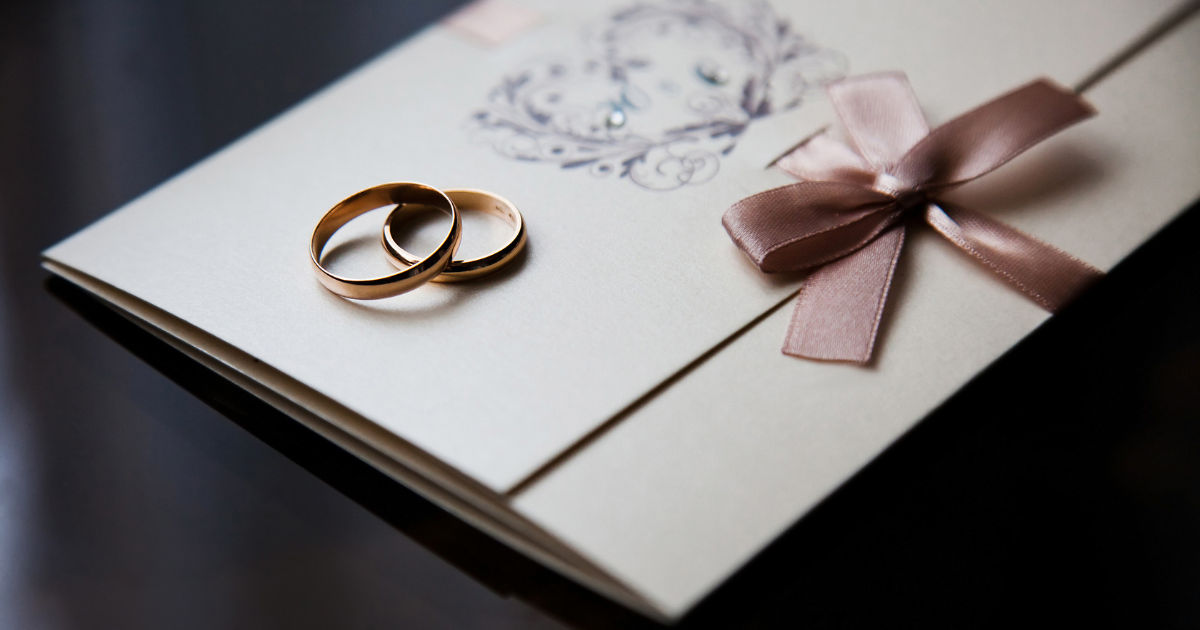
Your wedding card is more than just an invitation—it’s a glimpse into the celebration, giving your guests a preview of the atmosphere, tone, and elegance of your big day.
In this guide, we will explore creative wedding card design ideas, tips on selecting the right theme, and practical advice to ensure your invitations leave a lasting impression.
Why Wedding Card Design Matters
A well-thought-out wedding card design is the first impression guests get of your wedding. It sets the mood and gives clues about the formality, color scheme, and theme. For instance, a classic, elegant design indicates a formal ceremony, while playful, colorful cards suggest a fun, casual celebration.
Wedding cards also reflect your personality as a couple. They are a small but significant part of your wedding story. A thoughtful design can make your guests feel excited and connected to your celebration even before the event begins.
Step 1: Understanding Your Wedding Theme
Before choosing a wedding card design, it’s important to define your wedding theme. Your theme can be based on color, season, location, or personal interests. Here are some popular options:
Classic or Traditional
A traditional wedding theme often includes neutral tones, formal layouts, and timeless fonts. Think gold foiling, embossed textures, and floral motifs. Cards with a classic design are elegant and suitable for formal venues like hotels or banquet halls.
Modern and Minimalistic
Modern weddings favor simplicity. Clean lines, minimalist typography, and understated color palettes are hallmarks of this style. A modern wedding card design might feature monochrome colors, geometric patterns, or simple text on high-quality paper.
Rustic and Vintage
Rustic weddings are ideal for outdoor or countryside venues. Natural textures like kraft paper, lace, and twine add charm. Vintage cards often include pastel shades, floral illustrations, and calligraphy, creating a nostalgic feel.
Cultural and Themed
If you are celebrating with cultural elements, your wedding card design can reflect that. From traditional Indian motifs to Japanese minimalism or Moroccan patterns, themed cards can highlight your heritage.
Destination Weddings
For destination weddings, consider incorporating travel-related elements into your card design. Maps, postcards, and tropical illustrations are popular choices.
Step 2: Selecting the Color Palette
Color is one of the most impactful elements of wedding card design. It should complement your overall wedding palette.
Monochromatic Shades
Using varying shades of one color creates a cohesive, sophisticated look. This works well with modern or classic weddings.
Seasonal Colors
Choose colors that match the season of your wedding. Spring weddings often use pastels, summer favors bright and bold colors, autumn uses rich, warm hues, and winter weddings favor deep blues, greens, and metallics.
Metallic Accents
Gold, silver, or rose gold foiling can add elegance and a premium feel to your wedding card design. Metallic details work beautifully on both minimalist and traditional cards.
Color Blocking
For modern or playful weddings, color-blocked cards with contrasting shades are eye-catching. Pair bold colors carefully to ensure harmony with your wedding theme.
Step 3: Choosing the Right Card Material
The material of your wedding card is as important as the design. The texture and quality convey a sense of luxury or informality depending on your preference.
Premium Paper
Thick, textured cardstock is ideal for formal and traditional designs. Linen or cotton paper adds a classic touch.
Handmade Paper
For rustic or vintage weddings, handmade paper with natural fibers creates a unique tactile experience.
Transparent or Acrylic Cards
Acrylic cards are modern, sleek, and perfect for contemporary weddings. They are often paired with minimalist designs or metallic foiling.
Recycled or Eco-Friendly Options
For eco-conscious couples, recycled paper or plantable cards are a meaningful choice that doesn’t compromise on style.
Step 4: Typography and Fonts
Typography plays a significant role in wedding card design. The font sets the tone of your wedding.
Script Fonts
Script fonts with elegant curves are perfect for formal and traditional weddings. They convey romance and sophistication.
Modern Sans Serif
Clean, sans-serif fonts work well for modern and minimalistic designs. They are readable and stylish.
Combination Fonts
Mixing a script with a sans-serif font creates visual interest. For example, the couple’s names in script and the wedding details in sans-serif.
Decorative Fonts
Decorative fonts are great for themed weddings but should be used sparingly to maintain readability.
Step 5: Imagery and Illustrations
Visual elements can enhance your wedding card design. They help communicate the theme and make your card memorable.
Floral Motifs
Flowers are timeless and can fit most wedding themes. Roses, peonies, and orchids are popular choices.
Geometric Shapes
Geometric patterns give a modern, stylish look. They work well with minimalistic color palettes.
Cultural Symbols
Incorporating symbols or motifs relevant to your culture adds a personal touch.
Custom Illustrations
Some couples choose illustrated portraits, wedding venues, or even pets for a fun and unique wedding card design.
Step 6: Layout and Information Placement
How you organize information on the card is crucial for clarity and aesthetics.
Hierarchy
Highlight the most important details like names and dates. Use larger fonts or different colors for emphasis.
Readability
Ensure text is easy to read. Avoid placing dark text on dark backgrounds or intricate patterns behind small fonts.
Back Side Design
Consider utilizing the back side of the card for RSVP details, maps, or wedding hashtags. It’s a smart way to include extra information without cluttering the front.
Step 7: Special Touches
Adding unique details can elevate your wedding card design and make it unforgettable.
Foiling
Metallic foiling on names or borders creates a luxurious effect.
Embossing and Debossing
Embossed designs add texture and a tactile feel, perfect for elegant invitations.
Laser Cut Designs
Laser-cut patterns offer intricate detailing for floral or geometric themes.
Ribbons and Wax Seals
Ribbons, lace, or wax seals add a classic, romantic touch. These are ideal for vintage or formal wedding cards.
Step 8: Digital vs. Printed Cards
Decide whether to send traditional printed cards, digital invitations, or a combination.
Printed Cards
Printed cards provide a tangible keepsake for guests. They are ideal for formal weddings.
Digital Invitations
Digital cards are eco-friendly, cost-effective, and convenient. They are perfect for casual or destination weddings.
Hybrid Approach
Some couples choose printed cards for close family and digital versions for distant guests. This approach balances tradition and modern convenience.
Step 9: Matching Accessories
Consider how your wedding card design will coordinate with other elements of your wedding.
Envelopes
Choose envelopes that complement your card’s color, style, and texture. Lined envelopes add elegance.
Save-the-Date Cards
Use the same theme for save-the-date cards to create a cohesive experience.
Wedding Website
If you have a wedding website, mirror the card’s design online for consistency.
Additional Inserts
Include maps, accommodation info, or RSVP cards in the same style as your main invitation.
Step 10: Budget Considerations
Wedding cards come in a wide range of prices, influenced by material, printing method, and embellishments.
DIY vs. Professional Design
DIY designs can save money but require time and effort. Professional designers offer expertise and unique customization.
Printing Costs
Foiling, embossing, and specialty paper increase costs. Evaluate your priorities and allocate budget accordingly.
Quantity
Printing in bulk can reduce per-card costs. Factor in extras for keepsakes and last-minute guests.
Step 11: Final Tips for Choosing the Perfect Wedding Card
-
Start early to avoid last-minute stress.
-
Order samples before final printing to check quality and colors.
-
Keep readability and clarity as a priority.
-
Ensure the design aligns with your wedding theme.
-
Consider how your guests will perceive the card—make it inviting and elegant.
Conclusion
Choosing a wedding card design is both an exciting and crucial part of wedding planning. It sets the tone, communicates your style, and gives guests their first glimpse of your celebration. By understanding your wedding theme, selecting complementary colors, and paying attention to materials, typography, and imagery, you can create a memorable invitation that reflects your personality and love story.
Remember to consider practicality, budget, and your guests’ experience while adding unique touches that make your cards stand out. Whether you choose a traditional, modern, rustic, or themed card, the key is thoughtful planning and attention to detail. Your wedding cards are more than just invitations—they are a keepsake that can be cherished for years.
By following this comprehensive guide, you can confidently select a wedding card design that perfectly matches your wedding theme and leaves a lasting impression on everyone who receives it.

Recent Comments