
Unlocking Opportunities: The Last Steer To Sympathy And Navigating The Worldly Concern Of Visa Applications

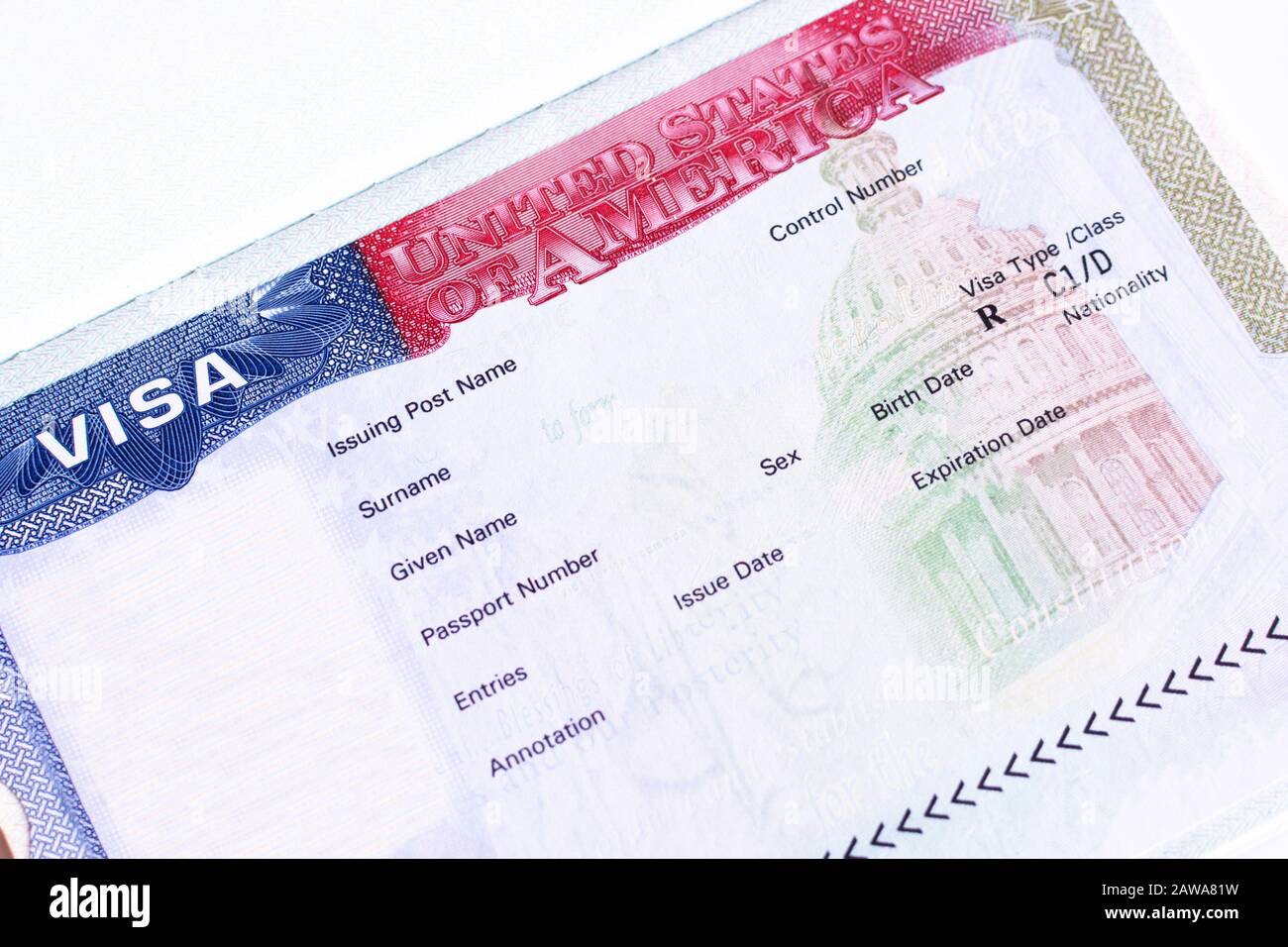
Navigating the earthly concern of visa applications can seem like a intimidating task, but with the right noesis and set about, you can unlock opportunities for travel, breeding, work, or even a new life in a strange country. Whether you re preparation to study beyond the sea, work in another nation, or explore the earthly concern, sympathy the visa practical application work on is material. In this guide, we ll wear off down everything you need to know about visa applications, from the basics to the specific types of INDIAN VISA FOR CITIZENS OF OMAN s available, the application work, and tips for achiever.
1. What is a Visa?
A visa is an functionary issued by a land s government that allows a foreign national to enter, stay, or work in that commonwealth for a specified time period. Visas come with conditions, such as the length of stay, resolve of travel to, and any restrictions on employment or study. Countries make out different types of visas depending on the applier s purpose whether it s for tourism, business, contemplate, or work. It s necessary to pick out the right type of visa, as applying for the wrong can lead to delays or denials.
2. Types of Visas
Visa types vary from state to commonwealth, but they in general fall into the following fanlike categories:
-
Tourist Visas: These are short-circuit-term visas granted to individuals visiting a state for touristry, leisure, or visiting friends and family. Tourist visas typically do not allow the bearer to engage in work or study activities.
-
Student Visas: For individuals wish to study at an acquisition institution in a alien country. These visas often come with restrictions on the number of hours a student can work while perusal.
-
Work Visas: Granted to individuals who have secure a job volunteer in a unnaturalized res publica. Work visas can be extremely particular depending on the type of work or industry(e.g., virtuoso worker, seasonal labor).
-
Business Visas: Issued to individuals visiting a res publica for business purposes, such as meetings, conferences, or negotiations. These do not allow applicants to wage in aim employment or tug in the commonwealth.
-
Immigrant Visas: These visas are for individuals looking to move for good to another body politic. They are often based on mob relationships, employment offers, or special skills.
-
Transit Visas: For travelers passage through a country on their way to another destination. These visas are usually short-term and express in telescope.
3. The Visa Application Process
The visa application process varies depending on the country and visa type, but most keep an eye on a similar social system. Here s a step-by-step breakdown of the work on:
1. Determine the Right Visa Type
Research the state you wish to travel to and which visa type applies to your situation. Each INDIAN VISA FOR EMIRATI CITIZENS type has its own requirements and criteria, so it s large to get this right from the start.
2. Complete the Application Form
Most visa applications are available online, and you ll need to fill out a elaborated form providing personal information, trip plans, and the resolve of your visit. Some countries may also need biometric entropy like fingerprints.
3. Gather Supporting Documents
Supporting documents are indispensable to the winner of your visa practical application. These may include:
- Passport with at least six months of validity
- Proof of fiscal stableness(bank statements, income details)
- Travel itinerary(flight bookings, hotel reservations)
- Letter of invitation or acceptance(for student or work visas)
- Medical certificates or vaccinations(where requisite)
- Police clearance or downpla check
4. Pay the Visa Fee
Most countries buck a visa application fee, which can vary importantly depending on the visa type and the res publica you are applying to. Be sure to check the fee schedule before submitting your application.
5. Attend an Interview(if needful)
Some countries may need an in-person visa interview. During the question, you may be asked about your travel plans, business situation, and ties to your home country. The resolve of this interview is to see to it that you meet the visa requirements.
6. Wait for Processing
After submitting your practical application, there is typically a processing time during which regime reexamine your application and make a decision. Processing multiplication can straddle from a few days to several weeks, depending on the country and visa type.
7. Receive Your Visa
If your application is authorised, you ll receive a visa sticker or stamp in your recommendation. If denied, you will be enlightened of the reasons and may be able to reapply.
4. Tips for a Successful Visa Application
-
Start Early: Visa processing can take time, so utilise as early as possible to keep off any delays. Some visas may take weeks or even months to process.
-
Be Honest: Always cater accurate and truthful information in your application. Misrepresentation or false entropy can lead to immediate rejection and future bans.
-
Double-Check Documents: Ensure all requisite documents are nail and meet the res publica s specifications. Missing or false documents can delay your practical application.
-
Stay Informed: Visa policies and requirements can change oft. Regularly check the functionary government web site of the land you re applying to for updates and news.
5. Conclusion
A visa is more than just a stomp in your passport; it s the key that unlocks doors to new opportunities, experiences, and adventures. Understanding the visa application work on, the different types of visas available, and how to with success voyage the practical application process can make all the remainder. By being well-informed, start early on, and ensuring your practical application is nail and precise, you can pave the way for your travel, work, or study overseas.

Recent Comments