

Drug and alcohol outpatient treatment is an essential option for individuals struggling with substance use disorders who need structured care but do not require 24-hour supervision.
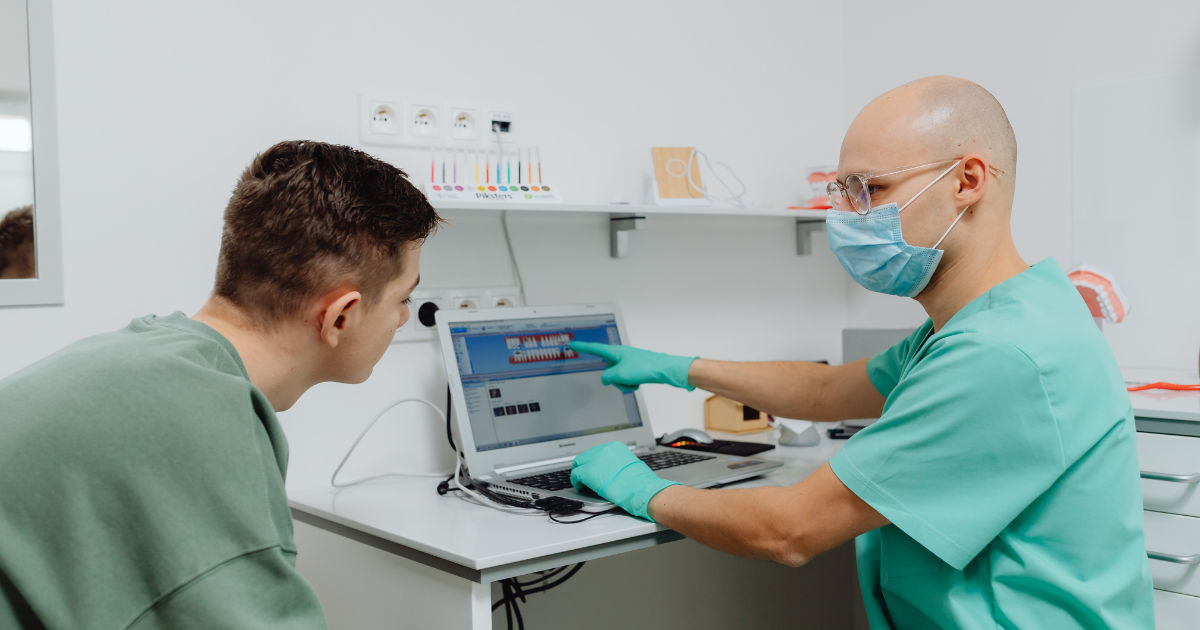
Unlike inpatient programs, outpatient treatment allows patients to maintain their daily routines while receiving professional support.
One of the most common questions people ask when considering outpatient treatment is: how long does it usually last?
The answer is not straightforward, as the duration of outpatient treatment varies based on several factors.
Understanding these factors, the types of outpatient programs available, and what to expect during treatment can help patients and their families prepare for a successful recovery journey.
Factors That Influence Outpatient Treatment Duration
Several variables influence how long drug and alcohol outpatient treatment lasts. The most important factors include the severity of the addiction, the presence of co-occurring mental health disorders, personal goals, and the specific treatment program chosen.
Severity of Addiction
Individuals with more severe substance use disorders often require longer periods of outpatient care. For example, someone struggling with long-term alcohol dependence may need months of therapy, while a person with a mild drug misuse pattern may only need a few weeks of treatment. Severity is assessed through professional evaluations that examine physical dependence, psychological impact, and history of substance use.
Co-Occurring Mental Health Disorders
Many individuals in outpatient treatment also experience mental health conditions such as depression, anxiety, or PTSD. Addressing both the addiction and the mental health disorder is crucial for lasting recovery. Programs that integrate dual diagnosis treatment often extend the duration of outpatient care to ensure both conditions are managed effectively.
Personal Goals and Commitment
Recovery is a personal journey, and the patient’s commitment to change can affect treatment length. Individuals who actively participate in therapy, support groups, and lifestyle changes may complete outpatient treatment faster, while those needing additional support or who face significant life stressors may require extended care.
Type of Outpatient Program
Outpatient treatment programs vary in intensity. Standard outpatient programs may involve one or two therapy sessions per week, lasting a few hours each, whereas intensive outpatient programs (IOPs) provide daily or near-daily sessions that can last several hours. Naturally, the intensity and structure of the program influence the overall length of treatment.
Types of Outpatient Programs
Outpatient treatment is not a one-size-fits-all approach. Understanding the types of programs available helps clarify how long each may last and what patients can expect.
Standard Outpatient Programs
Standard outpatient programs are the least intensive form of outpatient care. Patients usually attend therapy sessions one to three times per week, often in the evenings or on weekends. The duration of standard outpatient treatment typically ranges from 12 to 16 weeks, but it can extend based on the patient’s needs. These programs focus on building coping skills, identifying triggers, and promoting behavioral changes.
Intensive Outpatient Programs (IOPs)
Intensive outpatient programs are more structured and rigorous than standard outpatient care. Patients may attend therapy sessions for three to five days per week, with each session lasting three to four hours. IOPs typically last 8 to 12 weeks but may extend depending on the severity of the addiction and the patient’s progress. IOPs are ideal for individuals who need more support than standard outpatient treatment but do not require full-time inpatient care.
Partial Hospitalization Programs (PHPs)
Partial hospitalization programs are the most intensive outpatient option. They usually involve daily therapy sessions for five to seven days a week, with programs lasting four to six hours per day. PHPs are often recommended for individuals at high risk of relapse or those transitioning from inpatient care. Duration varies but usually lasts four to eight weeks.
Components of Outpatient Treatment
Drug and alcohol outpatient treatment typically includes several key components designed to support recovery. Understanding these elements can help patients anticipate what their treatment will involve and how long it might last.
Individual Therapy
Individual therapy is a cornerstone of outpatient treatment. Licensed therapists work with patients to identify the root causes of addiction, develop coping strategies, and address underlying mental health concerns. Sessions are usually scheduled weekly but may be more frequent in intensive outpatient programs.
Group Therapy
Group therapy provides patients with peer support and accountability. Sharing experiences in a structured setting helps individuals realize they are not alone in their struggles. Group sessions typically occur multiple times per week in intensive programs and weekly in standard outpatient care.
Family Therapy
Family involvement can significantly improve recovery outcomes. Family therapy sessions help address dysfunctional dynamics, educate loved ones about addiction, and create a supportive home environment. Family therapy may be incorporated periodically throughout outpatient treatment.
Medication-Assisted Treatment (MAT)
Some individuals benefit from medication-assisted treatment, particularly for opioid or alcohol dependence. MAT can include medications like buprenorphine, methadone, or naltrexone, which help reduce cravings and prevent relapse. The duration of MAT depends on the patient’s progress and medical guidance but often overlaps with the entire outpatient program.
Aftercare Planning
Outpatient treatment often concludes with aftercare planning. Aftercare programs include ongoing therapy, support group attendance, and relapse prevention strategies. While formal outpatient treatment has a defined duration, aftercare can continue indefinitely to support long-term recovery.
Average Duration of Outpatient Treatment
While the length of outpatient treatment varies widely, there are general averages based on program type and patient needs.
-
Standard Outpatient Programs: Usually last 12 to 16 weeks, with one to three sessions per week.
-
Intensive Outpatient Programs (IOPs): Typically last 8 to 12 weeks, with sessions three to five days per week.
-
Partial Hospitalization Programs (PHPs): Generally last 4 to 8 weeks, with daily sessions.
It is important to note that these timelines are flexible. Some patients may progress faster, while others require extended care. Treatment providers often reassess progress regularly to determine whether continuing or transitioning to a less intensive program is appropriate.
Benefits of Extended Outpatient Treatment
Longer outpatient treatment can significantly improve recovery outcomes. Extended care allows patients to solidify coping skills, build a supportive network, and address lingering psychological or behavioral challenges. Research shows that patients who engage in treatment for at least 90 days have better long-term success rates compared to those who complete shorter programs.
Extended outpatient care also provides time to integrate recovery into daily life. Unlike inpatient treatment, outpatient programs allow individuals to maintain employment, school, or family responsibilities while receiving therapy. This integration reinforces practical skills and supports sustainable recovery.
Signs That Outpatient Treatment May Need to Be Extended
Healthcare providers may recommend extending outpatient treatment for several reasons.
-
Persistent Cravings: Strong cravings that do not subside may require additional therapy sessions or MAT adjustments.
-
Relapse Risk: Individuals at high risk of relapse due to environmental triggers or stressors may benefit from longer treatment.
-
Co-Occurring Disorders: Ongoing symptoms of depression, anxiety, or other mental health issues may necessitate extended therapy.
-
Incomplete Skill Development: If coping strategies, life skills, or relapse prevention techniques are not yet firmly established, additional sessions may be recommended.
Tips for Maximizing Outpatient Treatment Success
Patients can take proactive steps to ensure their outpatient treatment is effective and lasts as long as necessary for their recovery.
-
Attend All Sessions: Consistency is crucial for building skills and maintaining accountability.
-
Engage in Therapy: Active participation in both individual and group therapy enhances outcomes.
-
Follow Aftercare Plans: Aftercare support helps maintain progress after formal outpatient treatment ends.
-
Communicate Openly: Sharing challenges with therapists ensures treatment is tailored to the patient’s needs.
-
Utilize Support Networks: Family, friends, and peer support groups provide encouragement and accountability.
Conclusion
Drug and alcohol outpatient treatment offers a flexible, effective approach to recovery that balances professional care with daily life responsibilities. The duration of outpatient treatment varies widely based on factors such as addiction severity, co-occurring mental health disorders, personal commitment, and program type.
Standard outpatient programs generally last 12 to 16 weeks, intensive outpatient programs last 8 to 12 weeks, and partial hospitalization programs last 4 to 8 weeks. However, the ultimate duration is individualized and may be extended to ensure long-term recovery success. Extended outpatient treatment provides the opportunity to solidify coping skills, integrate recovery into daily routines, and reduce the risk of relapse.
Patients who actively engage in therapy, adhere to treatment plans, and utilize support networks are more likely to achieve lasting recovery. Outpatient treatment, especially when tailored to individual needs, is a powerful tool for overcoming addiction while maintaining the responsibilities of everyday life. Understanding the factors that influence treatment length and committing to the process can make the journey smoother and more effective.
For anyone struggling with substance use, drug and alcohol outpatient treatment provides a structured, supportive environment that adapts to personal circumstances and fosters lasting recovery.

Recent Comments