

Reading bedtime stories is one of the most cherished routines for children and parents alike. But what if those stories could also teach children multiple languages? With globalization and increased interest in early language learning, Multilingual Children's Books Online have become a fantastic resource.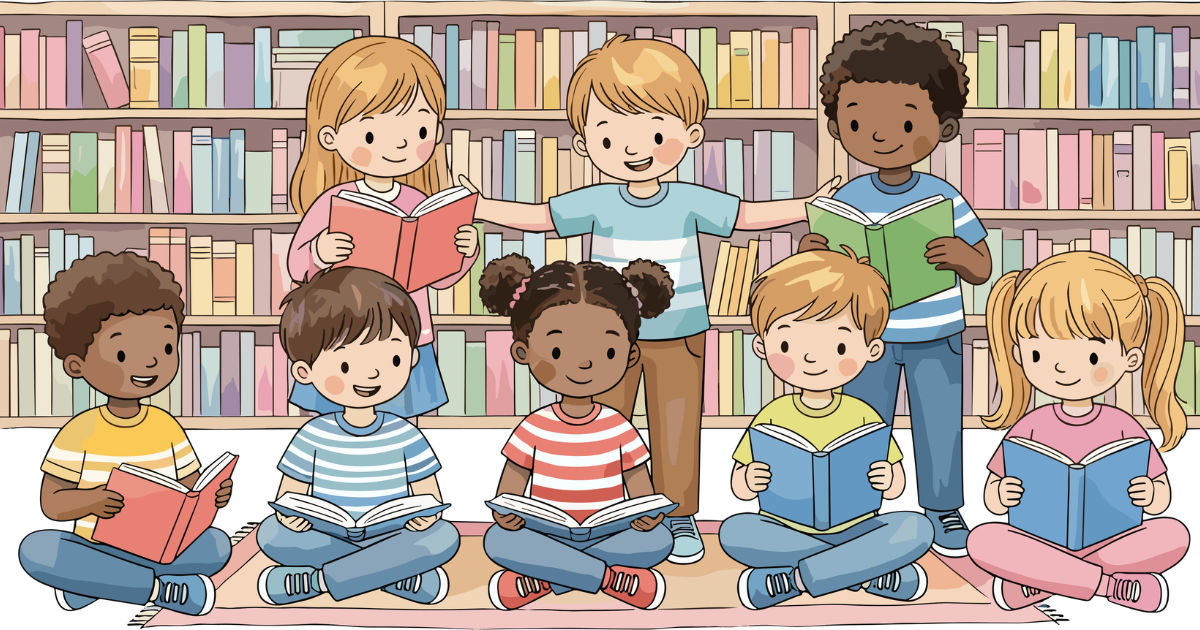
These books not only provide captivating stories for bedtime but also allow children to develop language skills naturally.
This guide explores the best options available and offers practical tips for parents to make the most of multilingual bedtime reading.
Why Choose Multilingual Children's Books Online
In today’s interconnected world, bilingual and multilingual skills are highly valuable. Introducing children to multiple languages at a young age has several benefits:
-
Cognitive Development: Learning multiple languages improves memory, problem-solving skills, and mental flexibility.
-
Cultural Awareness: Multilingual stories expose children to diverse cultures and traditions.
-
Language Proficiency: Repeated exposure to different languages enhances listening and speaking skills.
Multilingual Children's Books Online make these benefits accessible from the comfort of your home. Unlike traditional books, online platforms often provide audio narration, interactive features, and translations that make the reading experience engaging.
How Online Multilingual Bedtime Books Work
Online multilingual books typically come in formats that are interactive and multimedia-rich. These may include:
-
Digital eBooks: Text in multiple languages that can be toggled.
-
Audio Narration: Native speakers reading stories aloud to improve pronunciation and fluency.
-
Interactive Features: Highlighted words, touch-activated sounds, and games to reinforce learning.
These tools are designed to make bedtime reading both enjoyable and educational. By integrating storylines with language learning, children are more likely to remember vocabulary and sentence structures without feeling like they are “studying.”
Top Platforms for Multilingual Children's Books Online
Several platforms stand out for offering excellent multilingual content. Here’s a detailed look at some of the best options:
Storybooks Canada
Storybooks Canada offers a collection of free Multilingual Children's Books Online, with translations in languages including French, Spanish, Chinese, and Arabic. The site includes audio versions read by native speakers, making it perfect for bedtime reading. Parents can select stories by age group, language, and theme.
International Children’s Digital Library
The International Children’s Digital Library (ICDL) provides access to thousands of children's books in multiple languages. Users can browse by language, country, or age suitability. The platform emphasizes diversity, with stories from around the world, offering both traditional tales and modern narratives.
Unite for Literacy
Unite for Literacy focuses on early literacy and multilingual support. Every story comes with narrated audio in different languages. This platform is particularly effective for children just beginning to read, as the audio helps associate words with pronunciation naturally.
FarFaria
FarFaria offers hundreds of bedtime stories in various languages, with the unique feature of “Read-to-Me” narration. This app allows parents to choose the language version they want their children to hear, encouraging bilingual or multilingual development seamlessly.
Amazon Kindle Store
Amazon’s Kindle Store now has a growing collection of Multilingual Children's Books Online. Many books offer multiple language settings, and with Kindle’s audio and text-to-speech features, children can follow along in their preferred language.
Selecting the Right Multilingual Bedtime Book
Choosing the right book is crucial for keeping children engaged and motivated. Here are some criteria to consider:
Age Appropriateness
Books should match your child’s reading level. Younger children benefit from simple sentences, repetitive phrases, and colorful illustrations. Older children can handle more complex storylines and vocabulary.
Language Combinations
Select books that include languages your child is already learning or exposed to at home. Common combinations include English-Spanish, English-French, or English-Chinese. Exposure to additional languages can be introduced gradually.
Story Themes
Bedtime stories should be calming and comforting. Themes like friendship, adventure, family, and moral lessons work best. Avoid overly complex or frightening narratives that may disturb sleep.
Interactive Features
Look for books with audio narration, word highlighting, and interactive elements. These features not only make reading fun but also improve language comprehension.
Benefits of Reading Multilingual Books Before Bed
Bedtime reading is already a bonding activity, but multilingual books bring additional advantages:
-
Memory Retention: The quiet, relaxed atmosphere before sleep improves memory retention of new words.
-
Speech Development: Listening to stories in multiple languages helps children develop proper pronunciation.
-
Cultural Exposure: Children learn about traditions, holidays, and lifestyles from different cultures.
-
Emotional Connection: Stories teach empathy and moral lessons while keeping the child engaged.
Parents can rotate languages each night to maintain a balanced exposure without overwhelming the child.
Practical Tips for Using Multilingual Children's Books Online
Set a Consistent Routine
Establish a bedtime routine that includes multilingual reading. Even 10–15 minutes per night can make a noticeable difference in language acquisition.
Engage with the Story
Ask children questions about the plot, characters, and vocabulary. Encourage them to repeat words or sentences in the target language to reinforce learning.
Mix Digital and Print
Some children benefit from having both the online interactive version and a printed version of the story. This allows them to experience multiple forms of reading.
Use Audio Features Wisely
Audio narration is excellent for pronunciation but shouldn’t replace parent-child interaction. Reading aloud together strengthens both language skills and emotional connection.
Track Progress
Keep a log of the languages and stories your child has read. Many online platforms offer progress tracking or reward systems to motivate consistent reading.
Recommended Multilingual Bedtime Books for Various Ages
Here’s a curated list of popular multilingual bedtime books that are available online:
For Ages 2–5
-
“Goodnight Moon” in Spanish and English
-
“The Very Hungry Caterpillar” in English, French, and Japanese
-
“Brown Bear, Brown Bear, What Do You See?” in multiple languages
These books feature simple repetitive text, colorful illustrations, and audio narration.
For Ages 6–9
-
“Where the Wild Things Are” with bilingual editions
-
“The Gruffalo” in English and German
-
“Little Red Riding Hood” in English, French, and Mandarin
These stories introduce more complex sentences while keeping engaging plots for bedtime.
For Ages 10–12
-
“Harry Potter” chapters adapted in multiple languages for reading practice
-
“Matilda” bilingual editions
-
“The Chronicles of Narnia” multilingual versions
Older children enjoy longer narratives that challenge vocabulary comprehension while still being suitable for bedtime reading.
The Role of Parents in Multilingual Bedtime Reading
Parents play a vital role in making multilingual reading effective. Active participation helps children stay motivated and understand context. Some strategies include:
-
Reading together and alternating languages
-
Discussing the story in the child’s primary language to ensure understanding
-
Encouraging children to narrate parts of the story themselves
Parents don’t need to be fluent in every language. Using Multilingual Children's Books Online with audio narration ensures correct pronunciation and consistent exposure.
Challenges and How to Overcome Them
While online multilingual books offer many advantages, there are challenges:
Screen Time Concerns
Excessive screen exposure before bed can affect sleep quality. Parents should balance online reading with offline activities, ideally using devices with night mode or audio-only options.
Language Overload
Introducing too many languages at once can confuse children. Start with one or two languages and gradually add more as they become comfortable.
Finding High-Quality Books
Not all online books are created equal. Look for reputable platforms with reviews, audio narration by native speakers, and engaging illustrations to ensure educational value.
Future of Multilingual Children's Books Online
Technology is continuously improving the reading experience for children. Innovations include:
-
AI Narration: Personalized storytelling voices that adjust pace and tone
-
Interactive Games: Vocabulary quizzes and comprehension games linked to the story
-
Augmented Reality (AR): Bringing illustrations to life, enhancing engagement
These advances promise to make multilingual bedtime reading more immersive and effective, fostering language skills from an early age.
Conclusion
Incorporating Multilingual Children's Books Online into bedtime routines is an excellent way to combine literacy, language learning, and family bonding. From simple picture books for toddlers to chapter books for preteens, there are options for every age and language preference. By selecting appropriate stories, engaging actively with the child, and using interactive online features wisely, parents can create a rewarding, educational, and enjoyable bedtime ritual.
Multilingual reading not only teaches vocabulary and grammar but also fosters cultural understanding and empathy. With the vast resources available today, children can explore the world from their bedroom, falling asleep to stories that nurture their mind and imagination. Online platforms make this learning seamless and interactive, ensuring that bedtime is both peaceful and intellectually stimulating.
By adopting these practices, parents can give their children the gift of language, preparing them for a future in an increasingly interconnected and multicultural world. Multilingual bedtime reading is no longer just an educational tool—it’s a bridge to understanding, imagination, and lifelong learning.

Recent Comments