

When it comes to electrical systems, understanding low voltage power cables is crucial. Whether you're an engineering student, a homeowner, or just someone curious about how electricity reaches our homes, this guide will simplify everything for you.
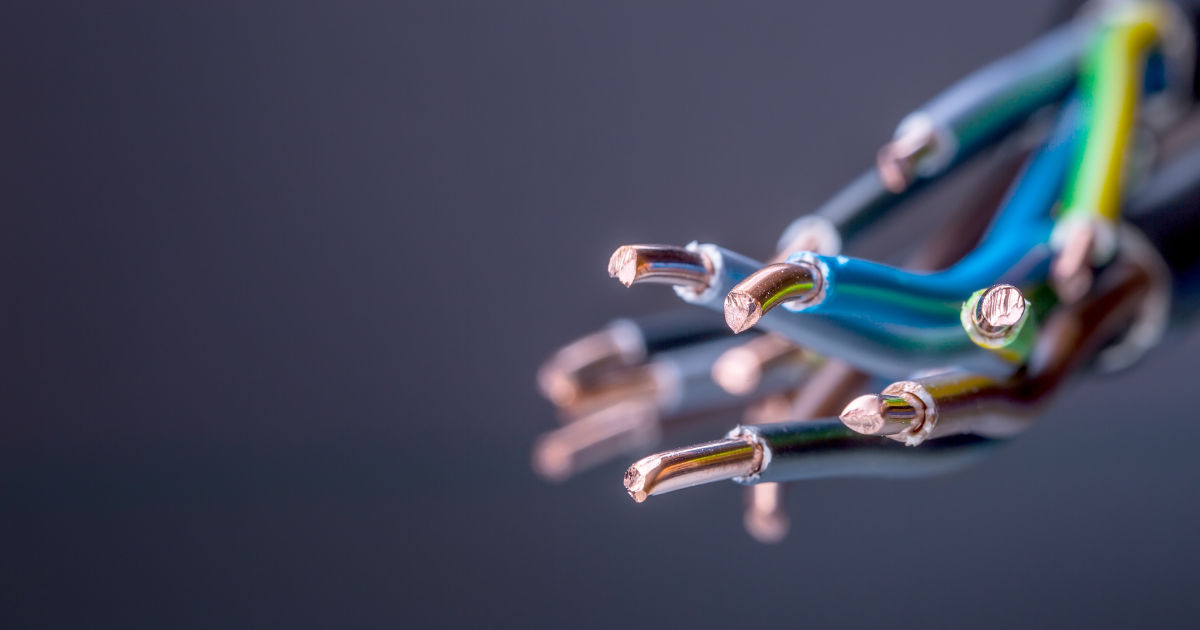 For those in Pakistan, finding a trustworthy Pakistan Cables Supplier ensures you get high-quality cables that are safe and reliable. In this blog, we will explore the types, uses, installation, and maintenance of low voltage power cables in a straightforward way.
What Are Low Voltage Power Cables?
Low voltage power cables are electrical cables designed to carry electricity at a voltage below 1,000 volts AC (alternating current). These cables are used in homes, offices, factories, and other applications where electricity is needed for everyday appliances and devices.
The main purpose of low voltage cables is to safely transmit power from a source, such as a transformer or generator, to electrical devices without loss or danger. Unlike high voltage cables, low voltage cables are easier to handle, install, and maintain, making them ideal for most residential and commercial purposes.
Why Low Voltage Cables Are Important
Low voltage power cables are critical for the following reasons:
-
Safety: These cables are designed with insulation to prevent electrical shocks.
-
Efficiency: They minimize power loss during transmission.
-
Reliability: They are durable and can withstand environmental stress.
-
Cost-Effective: Low voltage systems are cheaper than high voltage alternatives.
-
Easy Maintenance: Issues are easier to detect and repair.
For people looking for trusted sources, a certified Pakistan Cables Supplier can provide cables that meet international standards for safety and performance.
Components of Low Voltage Power Cables
Understanding the basic structure of low voltage cables helps in choosing the right type for your project. Most low voltage cables consist of the following parts:
1. Conductor
The conductor is the part of the cable that carries electricity. It is usually made of copper or aluminum because these metals conduct electricity efficiently. Copper is more common due to its superior conductivity and durability.
2. Insulation
Insulation is a protective layer around the conductor. It prevents the electricity from leaking out and protects people from electric shocks. Common insulation materials include PVC (polyvinyl chloride), XLPE (cross-linked polyethylene), and rubber.
3. Sheath
The sheath is an outer layer that protects the cable from physical damage, moisture, chemicals, and sunlight. For outdoor or industrial applications, a strong sheath is essential.
4. Armoring (Optional)
Some low voltage cables come with an extra layer of steel or aluminum armor. This protects the cable from mechanical stress and is commonly used in industrial installations.
Types of Low Voltage Power Cables
Low voltage cables come in different types depending on their usage. Here are the most common types:
1. Single-Core Cables
Single-core cables have one conductor and are used for simple installations where only one wire is needed. They are commonly found in home wiring for lights and switches.
2. Multi-Core Cables
Multi-core cables have two or more conductors inside a single sheath. These are used for more complex installations, such as power supply to machines and equipment.
3. Armored Cables
Armored cables are low voltage cables with an additional protective layer. These cables are ideal for outdoor or underground installations where mechanical protection is needed.
4. Non-Armored Cables
Non-armored cables are simpler and cheaper. They are suitable for indoor use where there is minimal risk of physical damage.
5. Flexible Cables
Flexible low voltage cables are designed for applications where frequent movement is required, such as in machinery and robotics.
Common Applications of Low Voltage Power Cables
Low voltage cables are everywhere, from our homes to factories. Here are the main applications:
Residential Use
In homes, low voltage cables power lights, fans, air conditioners, refrigerators, and other household appliances. They are safe and easy to install in walls, ceilings, and floors.
Commercial Use
In offices, shopping malls, and hospitals, low voltage cables are used for lighting, computers, elevators, and HVAC systems.
Industrial Use
Factories and industrial plants use low voltage power cables for machinery, motors, and equipment. Armored cables are often used here to protect against mechanical damage.
Outdoor and Underground Use
Low voltage cables designed for outdoor or underground installations are weather-resistant and durable. They supply power to street lights, garden lighting, and security systems.
How to Choose the Right Low Voltage Cable
Selecting the right cable is crucial for safety and efficiency. Consider these factors:
1. Voltage Rating
Ensure the cable can handle the voltage of your system. Low voltage cables typically operate below 1,000 volts.
2. Current Capacity
Check the cable’s current-carrying capacity, known as ampacity. Using a cable with insufficient capacity can cause overheating and fire hazards.
3. Conductor Material
Copper conductors are more efficient but costlier, while aluminum is cheaper but slightly less conductive.
4. Insulation Type
Choose the right insulation material based on the environment. For example, XLPE is heat-resistant, while PVC is affordable and suitable for indoor use.
5. Installation Environment
If the cable will be exposed to outdoor elements or mechanical stress, consider armored and weatherproof cables.
A reliable Pakistan Cables Supplier can provide expert advice on selecting the correct type and size of cable for any project.
How Low Voltage Cables Are Installed
Installing low voltage cables requires attention to safety and proper procedures:
1. Planning the Route
Decide the path the cables will follow. Avoid areas where water, heat, or heavy mechanical stress can affect the cable.
2. Measuring and Cutting
Measure the required length of the cable and cut it carefully. Always leave some extra length for adjustments.
3. Securing the Cable
Use cable trays, conduits, or clips to secure the cables in place. This prevents damage and maintains organization.
4. Connecting the Cable
Connect the cables to the devices or power source using proper connectors. Ensure all connections are tight and secure.
5. Testing
After installation, test the cables for continuity, insulation resistance, and voltage drop. This ensures the system is safe and efficient.
Maintenance of Low Voltage Power Cables
Regular maintenance prolongs the life of low voltage cables and prevents accidents:
1. Visual Inspection
Check for visible damage, cracks, or wear on the cable insulation and sheath.
2. Electrical Testing
Conduct periodic electrical tests to measure insulation resistance and detect faults early.
3. Cleaning
Keep cables clean and free from dust and moisture, especially in industrial environments.
4. Replacing Damaged Cables
Immediately replace damaged cables to prevent electrical hazards.
A trusted Pakistan Cables Supplier can also provide maintenance guidelines and recommend the best products for long-term durability.
Common Mistakes to Avoid
Here are some mistakes people often make with low voltage cables:
-
Using the Wrong Cable Size: This can lead to overheating or inefficient power delivery.
-
Poor Installation: Improper routing or securing of cables can cause damage.
-
Ignoring Environmental Factors: Moisture, heat, and chemical exposure can reduce cable life.
-
Skipping Testing: Not testing installed cables increases the risk of failures and accidents.
-
Buying Low-Quality Cables: Always buy from a certified Pakistan Cables Supplier to ensure safety and quality.
Advantages of Using High-Quality Low Voltage Cables
Using high-quality cables from a trusted supplier offers several benefits:
-
Safety: Reduced risk of electrical shocks and fire hazards.
-
Durability: Longer lifespan and resistance to wear and tear.
-
Efficiency: Better conductivity reduces energy loss.
-
Compliance: Meets local and international standards.
-
Peace of Mind: Knowing the cables are reliable and safe.
How to Find a Reliable Pakistan Cables Supplier
Finding a trustworthy supplier ensures that you get high-quality low voltage cables. Here are some tips:
-
Check Certifications: Ensure the supplier offers cables with ISO or equivalent certifications.
-
Experience and Reputation: Look for suppliers with years of experience in the industry.
-
Customer Reviews: Feedback from previous clients can indicate reliability.
-
Range of Products: A good supplier offers different types of low voltage cables for various applications.
-
After-Sales Support: Reliable suppliers provide guidance on installation, maintenance, and troubleshooting.
Future Trends in Low Voltage Power Cables
The electrical industry is evolving, and low voltage cables are becoming more advanced:
-
Eco-Friendly Materials: New insulation materials are being developed to reduce environmental impact.
-
Smart Cables: Some cables now include sensors for monitoring temperature and current.
-
Improved Durability: Advanced sheathing materials increase resistance to heat, UV, and chemicals.
-
Energy Efficiency: Better conductor materials reduce power loss, saving energy in the long term.
Conclusion
Low voltage power cables are a vital part of our everyday electrical systems. Understanding their types, uses, installation, and maintenance can help ensure safety, efficiency, and reliability. Whether for residential, commercial, or industrial use, choosing the right cable and supplier is crucial. For anyone in Pakistan, partnering with a certified Pakistan Cables Supplier guarantees high-quality products that meet safety and performance standards.
By investing in good cables and following proper installation and maintenance practices, you can ensure that your electrical systems run smoothly for years to come. Always remember, electricity is powerful, but with the right low voltage power cables, it can be managed safely and efficiently.

Recent Comments