

If you’re craving a delicious dosa but want to stick to a vegan diet, you’re in the right place. Vegan dosas are not only healthier but also surprisingly easy to make once you know the tricks. Unlike traditional dosas, which often use yogurt or ghee, vegan dosas rely entirely on plant-based ingredients without compromising on taste or texture.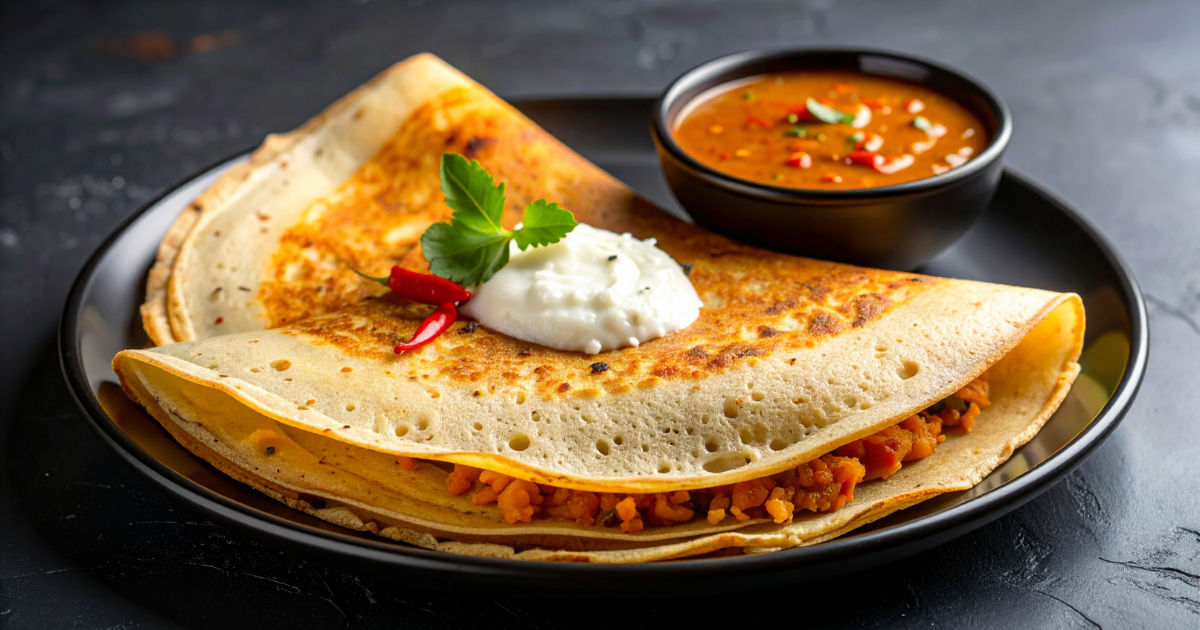
Whether you are cooking at home or looking for a top restaurant in Karachi, these tips will help you master the art of making crispy, golden dosas without any dairy or eggs.
Dosas are a classic South Indian dish, loved worldwide for their crispiness and versatility. By avoiding dairy and eggs, you make this dish suitable for vegans, lactose-intolerant individuals, and anyone seeking a lighter, healthier alternative.
The following guide covers everything from ingredient substitutions to cooking techniques, along with tips to make your dosa stand out.
Understanding Vegan Dosas
To make a perfect vegan dosa, it’s essential to understand the key ingredients and their roles. Traditionally, dosas are made with a fermented batter of rice and urad dal (black gram). Yogurt is sometimes added to speed up fermentation or make the batter softer. For vegans, this means you’ll need plant-based alternatives to achieve the same taste and texture.
Fermentation is critical because it gives dosas their signature tangy flavor. Without fermentation, your dosa will taste flat and may not crisp properly. Using simple ingredients like rice, lentils, and water, you can create a naturally fermented batter that tastes just as good as the traditional version.
Ingredients for Vegan Dosas
Here’s a list of essential ingredients for a vegan dosa without dairy or eggs:
-
Rice – Use a combination of regular white rice and parboiled rice for better texture.
-
Urad dal (split black gram) – Helps in fermentation and adds fluffiness.
-
Fenugreek seeds – Optional but improves fermentation and flavor.
-
Water – Needed for soaking and blending the batter.
-
Salt – Added after fermentation.
-
Oil – Use neutral plant oils like sunflower or coconut oil for cooking.
Optional additions for flavor:
-
Grated coconut
-
Chopped onions or herbs in the batter
-
Spices like cumin seeds or black pepper
By sticking to these ingredients, you can ensure that your dosa is completely vegan while maintaining the authentic South Indian taste.
Soaking and Grinding the Batter
Soaking the rice and lentils properly is the first step to a perfect vegan dosa.
-
Soak Separately: Soak rice and urad dal in separate bowls for at least 4-6 hours. Fenugreek seeds should be soaked with urad dal.
-
Drain and Grind: Drain the water and grind the urad dal into a smooth paste. Then, grind the rice into a slightly coarse batter.
-
Mixing: Combine both batters in a large bowl and mix thoroughly. Add water as needed to reach a smooth, pourable consistency.
Proper soaking and grinding are essential to achieving the right texture. A well-ground batter will yield crispy dosas with a soft inside and golden brown outside.
Fermentation Tips
Fermentation is where many people struggle when making vegan dosas. Here’s how to get it right:
-
Warm Environment: Keep the batter in a warm place for 8-12 hours. A kitchen counter or oven with a low light on works well.
-
Cover the Bowl: Use a clean cloth or lid to cover the batter. This prevents contamination and allows gases from fermentation to rise.
-
Check Consistency: After fermentation, the batter should be slightly bubbly and smell mildly tangy. If it’s too thick, add a little water and stir.
A properly fermented batter is the secret to crispy, flavorful dosas without any dairy.
Cooking Vegan Dosas
Cooking dosas is easier than many think, but a few tips can make a big difference:
-
Pan Selection: Use a non-stick or cast-iron pan for best results. Cast-iron pans give a crispy finish and even cooking.
-
Heat Management: Heat the pan well before pouring the batter. The pan should be hot but not smoking.
-
Pouring the Batter: Pour a ladleful of batter and spread it in a circular motion from the center outward.
-
Oil Use: Lightly drizzle oil around the edges to help crispiness. Coconut or sunflower oil works best for vegan dosas.
-
Cooking Time: Cook on medium heat until the bottom is golden brown. Flip only if necessary; some prefer cooking one side only.
With these techniques, even beginners can make dosas that rival those from a top restaurant in Karachi.
Creative Vegan Dosa Variations
Vegan dosas don’t have to be plain. You can add exciting fillings or toppings to enhance flavor:
Masala Dosa
Fill your dosa with spiced mashed potatoes, onions, and peas. Avoid butter; use oil for sautéing the filling.
Spinach and Tofu Dosa
Add sautéed spinach and crumbled tofu for a protein-packed option. Season with turmeric, cumin, and black pepper.
Coconut Chutney
Make a vegan chutney using grated coconut, roasted chana dal, green chilies, and salt. Coconut oil enhances the aroma without any dairy.
Tomato or Peanut Chutney
Blend roasted peanuts or fresh tomatoes with spices for a tangy, creamy chutney. Use water or coconut milk for smoothness instead of yogurt.
Vegetable-Stuffed Dosa
Add finely chopped carrots, bell peppers, and beans to make your dosa healthier. Sauté lightly before stuffing.
These variations keep your dosa experience exciting while remaining completely vegan.
Storing and Reheating Vegan Dosa Batter
Sometimes you might want to prepare the batter ahead of time. Here’s how to store it safely:
-
Refrigeration: Store fermented batter in the fridge for up to 3 days. Cover tightly to prevent it from absorbing odors.
-
Reactivation: If the batter becomes too sour, add a little fresh rice flour and water, mix well, and let it sit for a few hours before cooking.
-
Freezing: You can freeze small portions of batter for up to a month. Thaw in the fridge overnight before using.
Proper storage ensures you always have batter ready for quick vegan dosas at home.
Pairing Vegan Dosas
Dosas taste best when paired with complementary sides. Here are vegan-friendly options:
-
Sambar – A tangy lentil and vegetable stew perfect for dipping.
-
Chutneys – Coconut, tomato, or coriander chutney enhances flavor.
-
Pickles – Spicy mango or lime pickles add a burst of tang.
Even a simple vegan dosa with these sides can rival offerings at a top restaurant in Karachi.
Common Mistakes to Avoid
Even experienced cooks sometimes make mistakes. Here’s how to avoid them:
-
Too Thick or Too Thin Batter: Adjust water gradually to achieve pourable consistency.
-
Under Fermentation: Dosas will be chewy, not crispy. Warmth is key.
-
Cold Pan: Batter sticks to a cold pan. Always preheat properly.
-
Overcrowding: Cook one dosa at a time for best results.
By avoiding these errors, you can make dosas like a professional chef.
Health Benefits of Vegan Dosas
Vegan dosas are not only delicious but also nutritious:
-
Low in Fat – No butter or ghee keeps calories in check.
-
High in Protein – Lentils provide essential protein for a balanced diet.
-
Digestive Health – Fermented batter promotes gut-friendly bacteria.
-
Vitamins and Minerals – Rice and lentils supply essential nutrients.
Eating vegan dosas regularly can support a healthy lifestyle without sacrificing flavor.
Finding Vegan Dosas at Restaurants
If you’re not ready to make your own dosas, many restaurants now offer vegan options. When looking for a top restaurant in Karachi, check their menu for dosas made without ghee or butter. Ask specifically about egg-free fillings to ensure your meal is fully vegan.
Many South Indian restaurants in Karachi have adapted to vegan diets due to growing demand. This makes it easier than ever to enjoy authentic dosas without compromising your lifestyle.
Conclusion
Vegan dosas are a delightful and healthy alternative to traditional recipes. With the right ingredients, fermentation techniques, and cooking methods, you can create crispy, flavorful dosas at home that rival a top restaurant in Karachi. Remember to soak and grind your ingredients properly, maintain the right consistency, and experiment with fillings and chutneys to enhance taste.
Whether you’re cooking for yourself, friends, or family, vegan dosas prove that plant-based meals can be both satisfying and delicious. With practice, patience, and creativity, you’ll master vegan dosas in no time and enjoy a dish that is as wholesome as it is flavorful.
By following this guide, you can confidently make vegan dosas without dairy or eggs, explore exciting variations, and pair them with perfect vegan sides. This approach not only supports a healthy lifestyle but also keeps the traditional South Indian flavors alive in every bite.

Recent Comments