

Denmark has long been recognized for its minimalistic design and strong sense of style, but when it comes to streetwear, the scene has evolved into something vibrant, bold, and uniquely Scandinavian.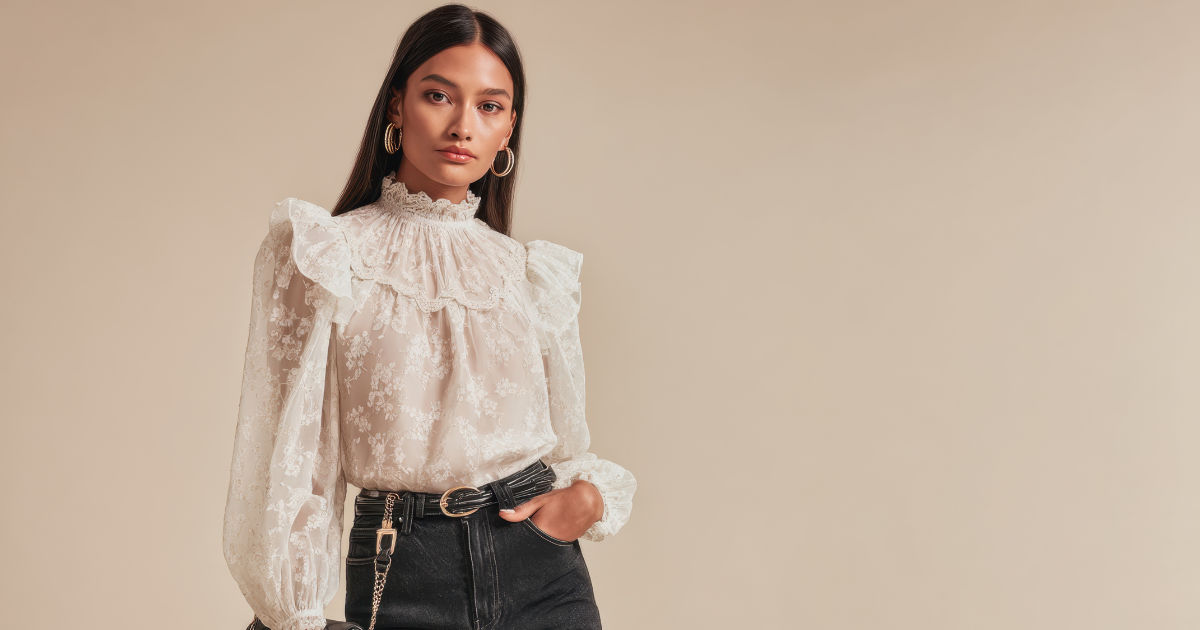
Stussy Denmark contemporary streetwear is more than just clothing; it represents a lifestyle, a statement, and a reflection of Denmark’s urban culture.
From Copenhagen’s cobblestone streets to Aarhus’ creative hubs, contemporary streetwear in Denmark has grown into a fusion of international trends and local influences.
This guide explores everything that defines contemporary streetwear in Denmark, from its origins and influences to its defining brands, aesthetic principles, and cultural significance.
Origins of Streetwear in Denmark
Streetwear in Denmark did not appear overnight. Its roots can be traced back to the 1980s and 1990s when global brands such as Stussy, Supreme, and Nike began influencing urban youth. Danish skaters and hip-hop enthusiasts adopted these trends, creating a local identity that combined comfort, functionality, and style.
Unlike mainstream fashion, streetwear is deeply connected to subcultures. Skateboarding, music, and art scenes all played a role in shaping Denmark’s unique urban style. Over time, Danish designers began to contribute their own interpretations, integrating minimalist design principles and sustainable practices.
Key Influences on Danish Streetwear
Skate Culture
Skateboarding has been one of the most influential forces behind contemporary streetwear in Denmark. Skate shops were early adopters of international streetwear brands and helped localize them. Loose-fitting jeans, graphic tees, and sneakers became staples, reflecting a balance between practicality and expression.
Music and Hip-Hop
Hip-hop culture has been another major driver. Danish rap and hip-hop artists often wear streetwear as part of their public image, creating trends that resonate with youth. This influence is visible in oversized hoodies, statement sneakers, and bold graphics that carry local references.
Scandinavian Minimalism
Unlike the bright and flashy styles seen elsewhere, Danish streetwear often incorporates minimalist principles. Clean lines, muted color palettes, and thoughtful layering create a look that is both understated and fashionable. This blending of minimalism with streetwear is what makes Denmark contemporary streetwear distinct.
Core Elements of Denmark Contemporary Streetwear
Casual and Functional Clothing
Streetwear in Denmark prioritizes functionality. Outerwear, for example, often combines weather-resistant materials with fashion-forward design. Layering is key, as the Danish climate demands clothing that is versatile for varying weather conditions.
Statement Graphics and Logos
Graphic tees, hoodies, and jackets often feature bold designs. International brands like Stussy have inspired local brands to experiment with their own logos and graphics. These designs often blend global streetwear aesthetics with Danish cultural references.
Sneakers as Culture
Sneakers are central to Denmark’s streetwear scene. Limited editions, collaborations, and classic designs are highly sought after. Sneaker culture has also encouraged a strong resale and collector community, particularly in Copenhagen.
Accessories and Street Cred
Caps, beanies, backpacks, and jewelry are essential elements of the look. These small details contribute to the overall aesthetic while allowing for personal expression.
Notable Brands and Designers
International Influences
Brands like Stussy, Supreme, and Off-White remain influential. Stussy, in particular, has become synonymous with urban street style in Denmark, blending casual comfort with high-fashion sensibilities.
Local Pioneers
Danish designers have begun to define the scene with their own interpretations. Brands such as Wood Wood, Norse Projects, and Han Kjøbenhavn integrate Scandinavian minimalism with streetwear practicality. Their pieces are often more refined than traditional streetwear, bridging the gap between casual and luxury fashion.
Collaborative Efforts
Collaboration between international and Danish brands has also shaped the scene. Limited drops and co-branded collections generate hype and emphasize exclusivity, a core aspect of contemporary streetwear culture.
Streetwear Hubs in Denmark
Copenhagen
Copenhagen is the epicenter of Danish streetwear. Areas like Nørrebro and Vesterbro are filled with boutiques, skate shops, and independent labels. The city also hosts events, pop-ups, and sneaker fairs that attract enthusiasts from across Europe.
Aarhus
Denmark’s second-largest city, Aarhus, has a growing streetwear scene focused on art and creativity. Local artists often collaborate with designers, resulting in unique, limited-edition pieces that are highly sought after by collectors.
Odense and Smaller Cities
Smaller cities are catching up, but Copenhagen and Aarhus remain the trendsetters. The adoption of streetwear in these regions often emphasizes practicality and subtle style over hype and exclusivity.
Cultural Significance of Streetwear in Denmark
A Form of Self-Expression
Denmark contemporary streetwear is a powerful tool for self-expression. Youth use fashion to communicate identity, affiliations, and values. Whether it’s skate culture, hip-hop influence, or sustainability, clothing is a language that conveys personality.
Connection to Art and Music
Streetwear in Denmark has strong ties to the local art and music scene. Graphic designers, mural artists, and musicians often collaborate with fashion brands to create limited pieces that celebrate Danish creativity.
Sustainability and Ethics
Sustainability is a central concern. Many Danish streetwear brands prioritize eco-friendly fabrics and ethical production processes, reflecting the broader Scandinavian ethos of environmental responsibility. This focus sets Danish streetwear apart from other global scenes, where fast fashion often dominates.
Styling Tips for Denmark Contemporary Streetwear
Layering with Purpose
Layering is essential due to Denmark’s fluctuating weather. Combining hoodies, jackets, and scarves allows both warmth and style. Neutral tones mixed with one statement piece can create a balanced yet trendy look.
Mixing Local and International Brands
Pairing Danish brands like Wood Wood with international staples such as Stussy can create a unique, well-rounded outfit. Mixing textures, colors, and prints is encouraged but done thoughtfully to maintain a minimalist edge.
Sneakers as Statement Pieces
Sneakers should be chosen carefully. Limited editions and bold designs can serve as focal points in an outfit. Denmark’s streetwear enthusiasts often coordinate sneakers with accessories for a cohesive look.
Accessories for Subtle Impact
Hats, bags, and jewelry should complement rather than dominate an outfit. In Danish streetwear, accessories are subtle but crucial for completing the overall aesthetic.
Social Media and Digital Influence
Instagram and TikTok
Social media plays a huge role in shaping trends. Influencers and content creators showcase streetwear styles, making brands and pieces highly visible. Danish youth often follow both local and international influencers to stay current.
Online Communities
Forums and sneaker groups provide platforms for discussion, resale, and collaboration. These digital spaces are integral for sharing ideas, promoting brands, and fostering a sense of community among streetwear enthusiasts.
E-commerce
Online shops, both local and international, have made streetwear more accessible. Danish brands often use limited online releases to create anticipation and exclusivity, mirroring global trends.
Streetwear Events and Culture in Denmark
Sneaker Conventions
Events like sneaker fairs bring enthusiasts together, offering a chance to buy, sell, and trade rare pieces. They also serve as social hubs where streetwear culture thrives beyond clothing.
Pop-Up Shops and Collaborations
Temporary retail spaces and brand collaborations allow designers to experiment with new designs. These events often attract media attention and strengthen brand recognition within Denmark.
Music Festivals
Danish music festivals often become streetwear showcases. Artists wear contemporary streetwear, influencing attendees and setting seasonal trends.
Challenges Facing the Danish Streetwear Scene
Balancing Minimalism and Hype
One challenge is maintaining Denmark’s minimalistic heritage while embracing the global hype-driven streetwear culture. Designers often have to navigate this balance to appeal to local and international audiences.
Sustainability vs. Fast Fashion
Streetwear’s popularity has increased demand, sometimes leading to overproduction. Danish brands are attempting to address this by limiting releases, using eco-friendly materials, and promoting resale culture.
Market Competition
With international brands dominating visibility, local Danish labels must continuously innovate to stand out. Collaborations, limited editions, and unique design aesthetics are strategies used to maintain relevance.
Future Trends in Denmark Contemporary Streetwear
Greater Focus on Sustainability
Expect more eco-conscious fabrics, recycling initiatives, and sustainable production. Danish streetwear will continue to emphasize environmental responsibility without compromising style.
Integration with Technology
Smart textiles, wearable tech, and digital fashion releases may become more common. Denmark’s tech-savvy youth are likely to embrace innovative ways to combine fashion and functionality.
Blurring Lines Between Streetwear and High Fashion
Collaboration between high-end designers and streetwear brands is already underway. This trend will likely continue, creating versatile clothing suitable for both casual and formal settings.
Conclusion
Denmark contemporary streetwear is a reflection of the country’s unique culture, blending international influences with local creativity. Stussy Denmark contemporary streetwear exemplifies this fusion, combining comfort, style, and individuality. From skate culture and music to minimalist design and sustainability, Danish streetwear embodies a lifestyle as much as a fashion statement.
The scene continues to evolve, influenced by social media, digital communities, and innovative designers. As trends develop, Denmark’s streetwear culture is likely to remain a distinctive blend of practicality, creativity, and global relevance, offering a model for contemporary urban fashion worldwide.
By understanding the origins, influences, key brands, and styling principles, anyone can appreciate the depth of Denmark’s streetwear culture. Whether a fashion enthusiast, a student, or a casual observer, contemporary streetwear in Denmark represents more than just clothing—it is an ongoing narrative of identity, creativity, and expression.

Recent Comments