

Tomatoes are one of the most important ingredients in Middle Eastern cooking, especially when it comes to arabic appetizers. From fresh salads to warm mezze dishes, arabic appetizers often rely on tomatoes for color, flavor, and freshness.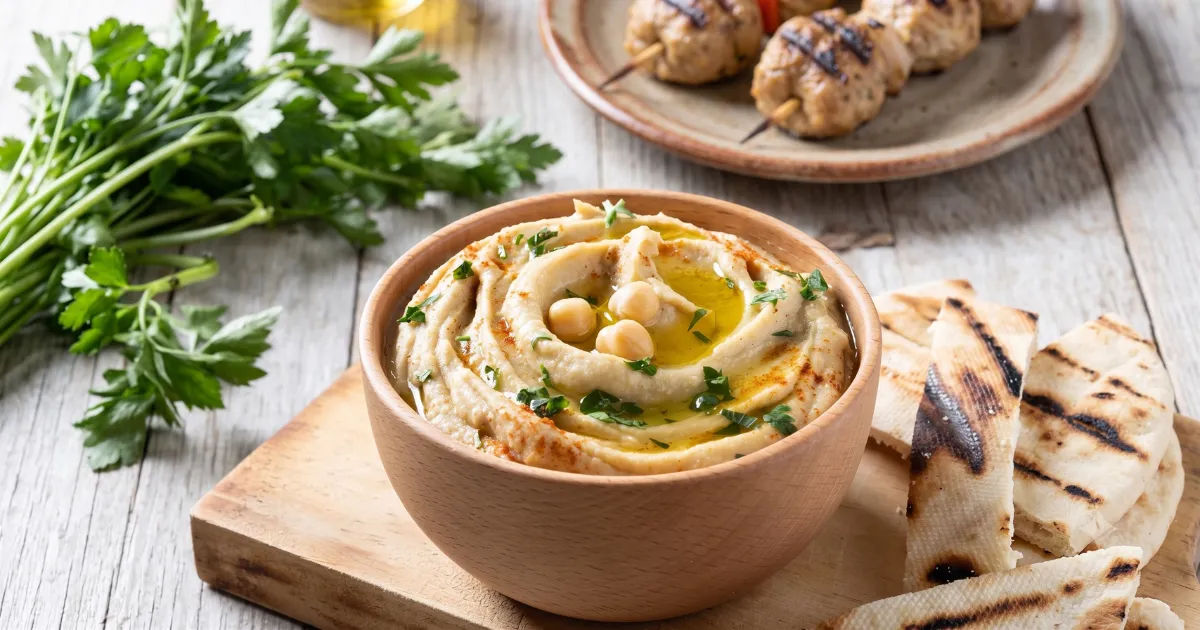
In fact, many traditional recipes across the Levant, Gulf, and North Africa would not taste the same without this simple yet powerful ingredient. If you explore arabic appetizers closely, you will notice that tomatoes are used in both raw and cooked forms to create balance between acidity, sweetness, and spice.
In this guide, we will explore which arabic appetizers use tomatoes, how they are prepared, and why they are so popular across different regions.
You will also learn how tomatoes enhance texture and taste in mezze-style meals that are shared among family and friends. By the end, you will have a clear understanding of how deeply tomatoes are connected to arabic appetizers and why they are essential in everyday Middle Eastern dining.
The Role of Tomatoes in Arabic Appetizers
Tomatoes play a central role in many arabic appetizers because they add freshness, moisture, and natural sweetness. In warm climates, fresh vegetables like tomatoes are widely available, making them a key part of daily meals. Many arabic appetizers rely on tomatoes to balance rich ingredients like olive oil, garlic, and tahini.
In raw dishes, tomatoes provide crunch and juiciness. In cooked dishes, they create thick sauces and deep flavors. Whether chopped into salads or simmered into stews, tomatoes elevate the taste of arabic appetizers in a simple yet powerful way.
Another reason tomatoes are so common in arabic appetizers is their versatility. They pair well with herbs such as parsley, mint, and cilantro, as well as spices like cumin and paprika. This makes them a natural fit for almost every mezze table.
Fattoush Salad: A Fresh Tomato-Based Mezze
Fattoush is one of the most famous arabic appetizers that uses tomatoes. It is a traditional Levantine salad made with fresh vegetables and crispy toasted bread.
Ingredients and Preparation
Fattoush typically includes chopped tomatoes, cucumbers, lettuce, radishes, and green onions. The tomatoes are a key ingredient because they add juiciness and balance the crunch of the fried or toasted pita bread. A tangy dressing made with olive oil, lemon juice, and sumac gives the salad its signature flavor.
Why Tomatoes Matter in Fattoush
Without tomatoes, fattoush would lose its refreshing character. In arabic appetizers like fattoush, tomatoes provide acidity that enhances the overall taste. Their natural juice mixes with the dressing, creating a light but flavorful coating for every bite.
Fattoush is often served at the beginning of a meal, making it one of the most refreshing arabic appetizers on the table. It is especially popular during summer because of its cooling effect.
Tabbouleh: A Herb-Heavy Appetizer with Tomatoes
Tabbouleh is another iconic dish among arabic appetizers, and it features finely chopped tomatoes as a key ingredient.
Fresh Balance of Herbs and Tomatoes
Tabbouleh is made primarily of parsley, with bulgur wheat, mint, lemon juice, olive oil, and diced tomatoes. The tomatoes bring moisture to the dry bulgur and balance the strong herbal flavor of parsley.
In many arabic appetizers, tomatoes act as a bridge between grains and herbs, and tabbouleh is a perfect example of this balance.
Texture and Flavor Contribution
The small pieces of tomato blend into the salad, releasing juice that enhances the lemon-based dressing. This makes tabbouleh one of the most refreshing arabic appetizers, especially when served chilled.
Tabbouleh is not just a salad—it is a symbol of freshness and simplicity in Middle Eastern cuisine, and tomatoes are essential to its identity.
Arabic Salad (Salata Arabia): Simple and Fresh
Arabic salad, also known as salata Arabia, is one of the simplest yet most common arabic appetizers that uses tomatoes.
Basic Ingredients
This salad usually includes diced tomatoes, cucumbers, onions, parsley, olive oil, lemon juice, salt, and sometimes mint. The focus is on fresh vegetables without heavy seasoning.
Importance of Tomatoes
Tomatoes are the star ingredient in this dish. They provide the bulk of the flavor and juice, making the salad light and refreshing. In many arabic appetizers, simplicity is key, and Arabic salad is a perfect example of how a few ingredients can create a flavorful dish.
Because of its simplicity, this salad is served with almost every meal and is one of the most widely enjoyed arabic appetizers across households.
Shakshuka: A Warm Tomato-Based Appetizer
Shakshuka is a popular dish made with eggs poached in a rich tomato sauce. While it is often eaten for breakfast, it is also served as one of the hearty arabic appetizers in mezze spreads.
Cooking Process
The base of shakshuka is made by simmering tomatoes with onions, garlic, olive oil, and spices like cumin and paprika. Eggs are then gently cooked in the sauce until the whites are set but the yolks remain soft.
Why It Stands Out
Among arabic appetizers, shakshuka is unique because it is warm, filling, and protein-rich. The tomato sauce is the foundation of the dish, giving it a rich, slightly tangy flavor.
Shakshuka shows how tomatoes can transform simple ingredients into one of the most satisfying arabic appetizers on the table.
Stuffed Grape Leaves with Tomato Sauce
Stuffed grape leaves, also known as warak enab, are commonly included in mezze platters and are often served with tomato-based sauces.
Filling and Flavor
The grape leaves are stuffed with rice, herbs, and sometimes minced meat. While the filling itself may not always include tomatoes, many versions of this dish are cooked in a light tomato sauce.
Tomato Sauce Importance
The tomato sauce adds moisture and acidity, making the dish more flavorful. In many arabic appetizers, tomatoes are used as a cooking base rather than a raw ingredient, and stuffed grape leaves are a great example of this technique.
This dish is often served cold or warm and is a staple among traditional arabic appetizers.
Tomato-Based Dips and Spreads
Tomatoes are also used in various dips and spreads that are part of arabic appetizers.
Muhammara Variations
Muhammara, a roasted red pepper dip, sometimes includes tomato paste to enhance flavor and color. This addition deepens the taste and gives it a slight tang.
Tomato Dips
Some regional arabic appetizers include simple tomato-based dips made with olive oil, garlic, and spices. These are often served with bread or vegetables.
Fresh Relishes
Chopped tomato relishes are also common in mezze platters, often mixed with herbs and chili for added spice. These small dishes show how flexible tomatoes are in arabic appetizers.
Regional Variations of Tomato Usage
Different regions use tomatoes in unique ways within arabic appetizers.
Levant Region
In Lebanon, Syria, and Jordan, tomatoes are heavily used in salads like fattoush and tabbouleh. These arabic appetizers focus on freshness and raw ingredients.
Gulf Region
In Gulf countries, tomatoes are often cooked into stews and sauces that accompany appetizers. The flavors are richer and more spiced compared to Levantine arabic appetizers.
North Africa
In North African cuisine, tomatoes are often cooked with spices into thick sauces. These sauces are used in many mezze-style dishes, showing another variation of arabic appetizers.
Nutritional Benefits of Tomato-Based Appetizers
Tomatoes are not only flavorful but also very healthy. Many arabic appetizers that use tomatoes are rich in vitamins and antioxidants.
Tomatoes contain vitamin C, potassium, and lycopene, which supports heart health. Because many arabic appetizers use fresh tomatoes, they are naturally low in calories and high in nutrients.
These dishes are often served with olive oil, which helps the body absorb nutrients more effectively. This makes tomato-based arabic appetizers both delicious and nutritious.
Serving Ideas for Tomato-Based Arabic Appetizers
Tomato-based arabic appetizers are usually served as part of a mezze platter. They are shared among guests and eaten with flatbread such as pita or khubz.
To create a balanced table, you can combine fresh salads like fattoush, warm dishes like shakshuka, and dips like tomato relishes. This variety ensures that arabic appetizers offer different textures and flavors in every bite.
These dishes are also perfect for gatherings because they are easy to prepare in advance and serve in small portions.
Conclusion
Tomatoes are a cornerstone ingredient in many arabic appetizers, shaping the flavor, texture, and freshness of countless traditional dishes. From refreshing salads like fattoush and tabbouleh to warm dishes like shakshuka and stuffed grape leaves, tomatoes bring balance and depth to Middle Eastern cuisine.
They are used in both raw and cooked forms, making them one of the most versatile ingredients in arabic appetizers. Their natural acidity enhances herbs, grains, and spices, creating dishes that are simple yet full of flavor.
Understanding how tomatoes are used in arabic appetizers gives you a deeper appreciation of Middle Eastern food culture. Whether you are preparing a mezze platter or exploring new recipes, tomatoes will always remain a key ingredient that connects freshness, tradition, and taste.

Recent Comments