

If you’ve ever received a lab report that says your urine test is “abnormal,” it can feel confusing and even a little worrying.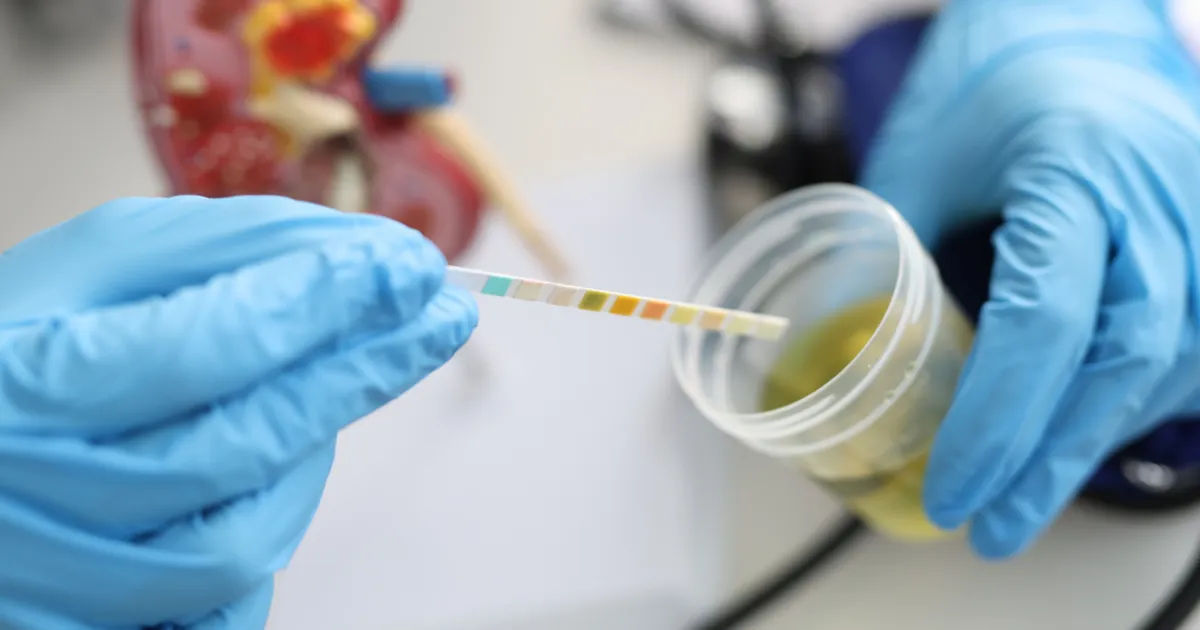
Many people immediately start searching online terms like how long does pee last for a drug test without fully understanding what their results actually mean or why they happened in the first place.
An abnormal urine test does not always mean something serious is wrong. It simply means that one or more components in your urine are outside the normal range. These changes can happen for many reasons, including dehydration, infections, diet, medications, or temporary body changes.
In this guide, we’ll break everything down in a simple, clear way so a 12th-grade student can easily understand what is going on inside the body when urine results are flagged as abnormal.
What Does an Abnormal Urine Test Mean?
A urine test (urinalysis) checks the physical, chemical, and microscopic properties of urine. When something falls outside expected ranges, the report is marked as “abnormal.”
This does not automatically mean disease. It only means further attention or interpretation is needed.
Doctors usually check for:
- Color and clarity
- pH level (acidity)
- Protein levels
- Glucose (sugar)
- Blood cells
- White blood cells
- Bacteria or infection signs
- Ketones
Even hydration levels can affect results, which is why people sometimes worry unnecessarily after searching things like how long does pee last for a drug test while trying to understand urine behavior in general.
Common Reasons for Abnormal Urine Test Results
There are many possible causes. Some are harmless and temporary, while others may need medical treatment.
Dehydration
One of the most common reasons for abnormal results is not drinking enough water.
When you are dehydrated:
- Urine becomes darker
- Waste products become more concentrated
- Protein or ketones may appear higher than normal
This can temporarily trigger abnormal readings even if you are healthy.
People often misunderstand urine concentration when reading about how long does pee last for a drug test, but in medical testing, concentration is about hydration, not time.
Urinary Tract Infection (UTI)
A UTI is a bacterial infection in the urinary system.
Symptoms may include:
- Burning sensation while urinating
- Frequent urge to urinate
- Cloudy or strong-smelling urine
In a urine test, a UTI may show:
- White blood cells
- Bacteria
- Nitrites
UTIs are one of the most common causes of abnormal urine reports, especially in females.
Kidney Problems
Your kidneys filter waste from the blood. If they are not working properly, urine results may change.
Possible signs include:
- Protein in urine
- Blood in urine
- Changes in creatinine levels
Kidney issues can range from mild inflammation to chronic conditions, so doctors may request follow-up tests.
Again, misunderstandings sometimes arise when people focus on unrelated searches like how long does pee last for a drug test instead of understanding kidney filtration function.
Diabetes or High Blood Sugar
If blood sugar is too high, glucose can appear in urine.
This may indicate:
- Undiagnosed diabetes
- Poorly controlled diabetes
Other findings may include ketones, especially if the body is burning fat for energy instead of glucose.
Symptoms may include:
- Excessive thirst
- Frequent urination
- Fatigue
Protein in Urine (Proteinuria)
Protein is normally kept in the bloodstream. When it appears in urine, it can indicate stress on the kidneys.
Temporary protein in urine can happen due to:
- Exercise
- Fever
- Stress
- Dehydration
Persistent protein may require further kidney evaluation.
Blood in Urine (Hematuria)
Blood in urine can look alarming, but it is not always dangerous.
Possible causes:
- UTIs
- Kidney stones
- Heavy exercise
- Injury
In some cases, microscopic blood is only detected under a microscope and not visible to the eye.
Medications and Supplements
Certain medications can affect urine test results.
Examples include:
- Antibiotics
- Pain relievers
- Vitamin supplements
These can change color, pH, or chemical composition of urine.
This is important because people often confuse normal biochemical changes with concerns they read online, such as how long does pee last for a drug test, which is unrelated to medical interpretation.
Contamination of the Sample
Sometimes the abnormal result is not from the body but from how the sample was collected.
Common issues:
- Not using a clean container
- Skin bacteria entering sample
- Delayed testing after collection
This can cause false signs of infection or abnormal readings.
Liver or Metabolic Issues
The liver and kidneys work together to remove waste.
If liver function is affected:
- Bilirubin may appear in urine
- Urine color may darken
Metabolic disorders can also affect ketones and glucose levels.
Diet and Lifestyle Factors
What you eat and drink can directly affect urine.
Examples:
- Asparagus can change odor
- High-protein diets may increase ketones
- Beets may cause reddish urine
Even fasting or intense dieting can lead to temporary abnormal results.
How Urine Tests Are Interpreted
Doctors do not rely on a single abnormal result. They look at the full pattern.
For example:
- One abnormal reading may be temporary
- Multiple abnormal markers may suggest a condition
- Repeated tests confirm diagnosis
This is why context is extremely important when interpreting results.
Some people mistakenly compare urine stability concepts like how long does pee last for a drug test with medical urinalysis, but clinical testing focuses on biological markers, not timing.
Symptoms That May Accompany Abnormal Results
If your urine test is abnormal, symptoms may or may not be present.
Watch for:
- Pain or burning during urination
- Fever
- Swelling in legs or face
- Unusual fatigue
- Changes in urine color or smell
- Frequent urination
If symptoms exist, it is more likely that the abnormal result reflects an actual condition.
When You Should See a Doctor
You should consult a healthcare provider if:
- Abnormal results repeat in multiple tests
- You have pain or discomfort
- You notice blood in urine
- You have persistent fatigue or swelling
- You have diabetes or kidney history
Early diagnosis can prevent complications in many cases.
How to Prepare for a Urine Test Properly
Proper preparation helps ensure accurate results.
Tips:
- Drink normal amounts of water (not excessive)
- Avoid intense exercise before test
- Inform doctor about medications
- Follow instructions for sample collection
Preparation reduces the chance of false abnormalities.
People sometimes overthink preparation due to unrelated online searches like how long does pee last for a drug test, but standard medical urine testing does not depend on such timing concerns.
Can an Abnormal Urine Test Be Temporary?
Yes, many abnormal results are temporary.
Examples:
- Dehydration
- Fever
- Exercise
- Minor infections
Repeating the test after a few days often shows normal results again.
How Doctors Follow Up on Abnormal Results
Depending on the findings, doctors may:
- Repeat urine test
- Order blood tests
- Request imaging (ultrasound)
- Prescribe antibiotics
- Refer to a specialist
The goal is always to identify whether the abnormality is temporary or part of a larger condition.
Preventing Abnormal Urine Test Results
While not all causes are preventable, you can reduce risk by:
- Staying hydrated
- Eating a balanced diet
- Managing blood sugar
- Treating infections early
- Avoiding overuse of medications without guidance
Healthy habits support kidney and urinary system health.
Why Understanding Urine Test Results Matters
Understanding your test results helps reduce anxiety and prevents misinformation. Many people become confused by unrelated topics online, including searches like how long does pee last for a drug test, which do not apply to medical interpretation.
Urine tests are simple tools, but they provide powerful insight into your overall health.
Conclusion
An abnormal urine test does not automatically mean a serious disease. It is simply a signal that something in your body’s balance has changed. This could be due to dehydration, infection, diet, medications, or temporary stress on the body.
The key takeaway is that urine test results must always be interpreted in context. One abnormal value alone is not enough to diagnose a condition. Doctors look at patterns, symptoms, and sometimes repeat tests before making conclusions.
If you ever receive an abnormal report, try not to panic. Instead, focus on hydration, review your recent activities, and follow up with your healthcare provider if needed. Proper understanding leads to better health decisions and less unnecessary worry.
And while many people search terms like how long does pee last for a drug test out of curiosity, the most important thing is understanding what your body is actually communicating through test results.

Recent Comments